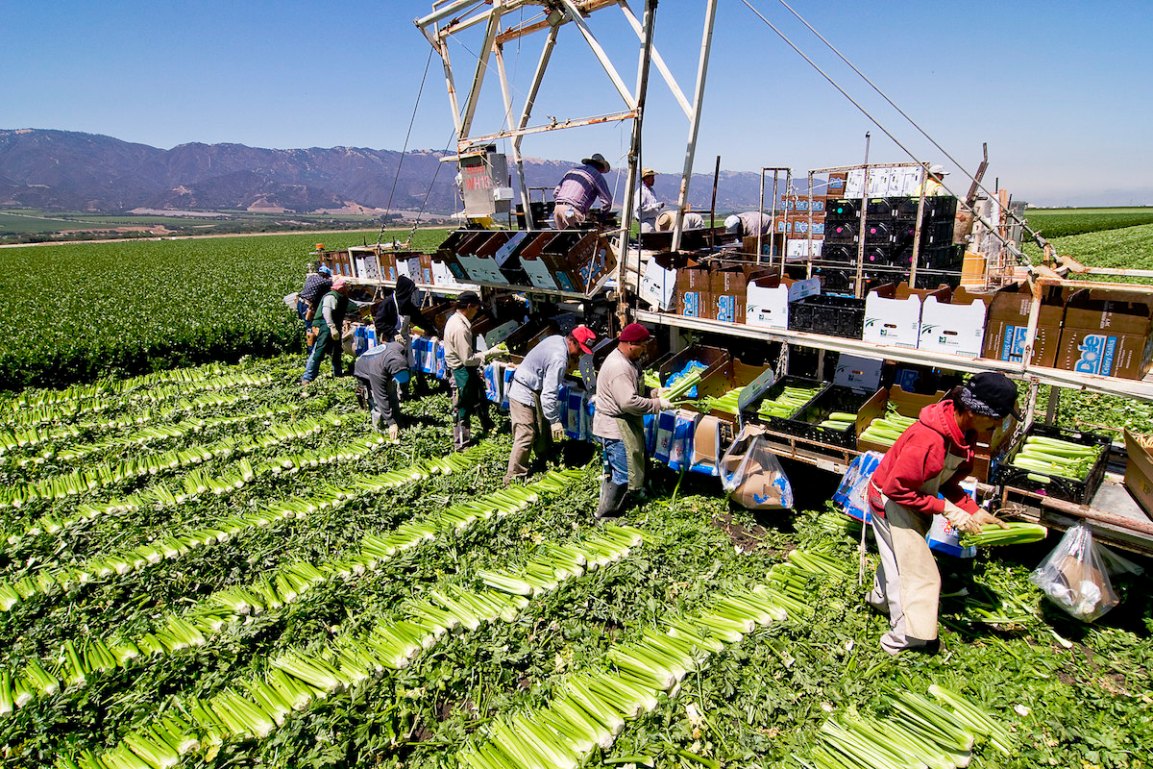
Trade restrictions are breaking supply chains, and coronavirus lockdowns are preventing laborers from working on farms. Countries need to step back and stop panicking.
Category: food security
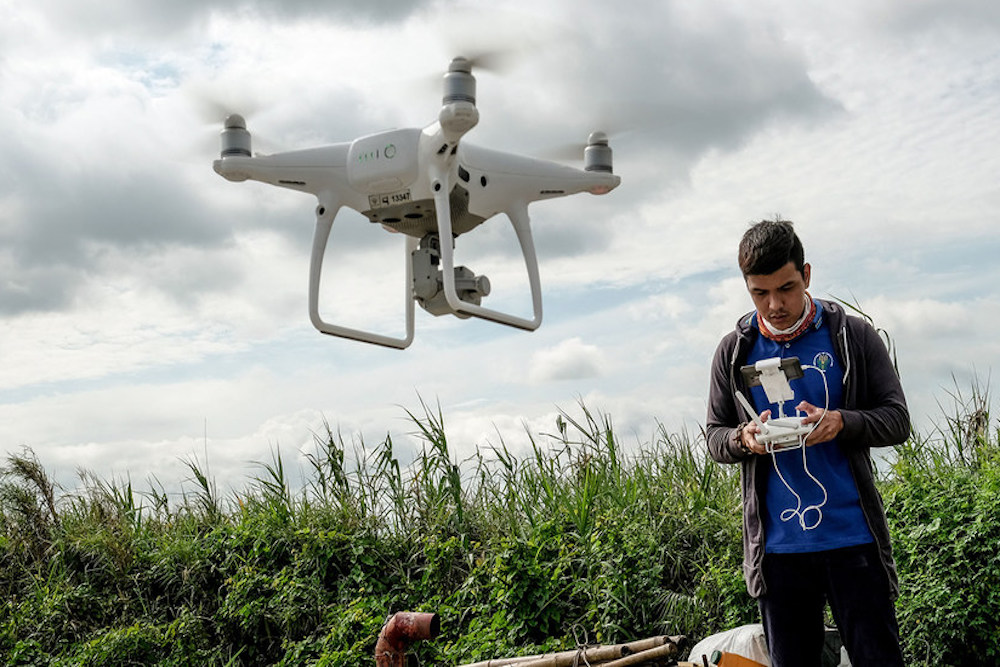
We Need Robots on Farms to Feed 10 Billion People
The defining challenge of our time is meeting the food demands of nearly 10 billion people by 2050, while maintaining economic growth and protecting the environment. It’s an extraordinary act of balancing priorities. AI and robotic farming will play a crucial role in this act.

Podcast: Ending Hunger Is a Great Balancing Act
Hunger is a complex problem. This podcast interview explains what the UN Food and Agriculture Organization is doing to tackle this complex challenge, while protecting the environment and empowering vulnerable people.

Video: Centroamérica sin Hambre — ¿Cuál debe ser el enfoque para hacerlo realidad?
This 10-minute video — “Central America without Hunger: What is the Best Approach to Make It Happen?” — highlights the food and nutrition challenges facing the region and how they can be addressed.
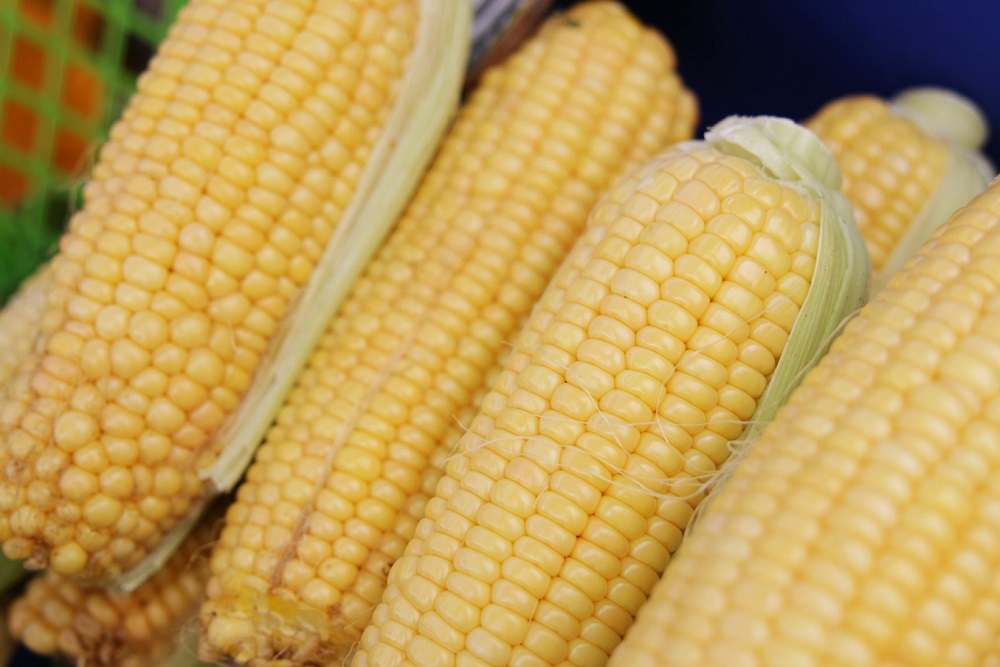
Food Waste: A Moral and Technical Failure
FAO’s close review of what we know about food loss offers a reminder that there is no one-size-fits-all solution. For example, cassava, a staple in much of the tropics, perishes much more quickly than potatoes in temperate regions do.
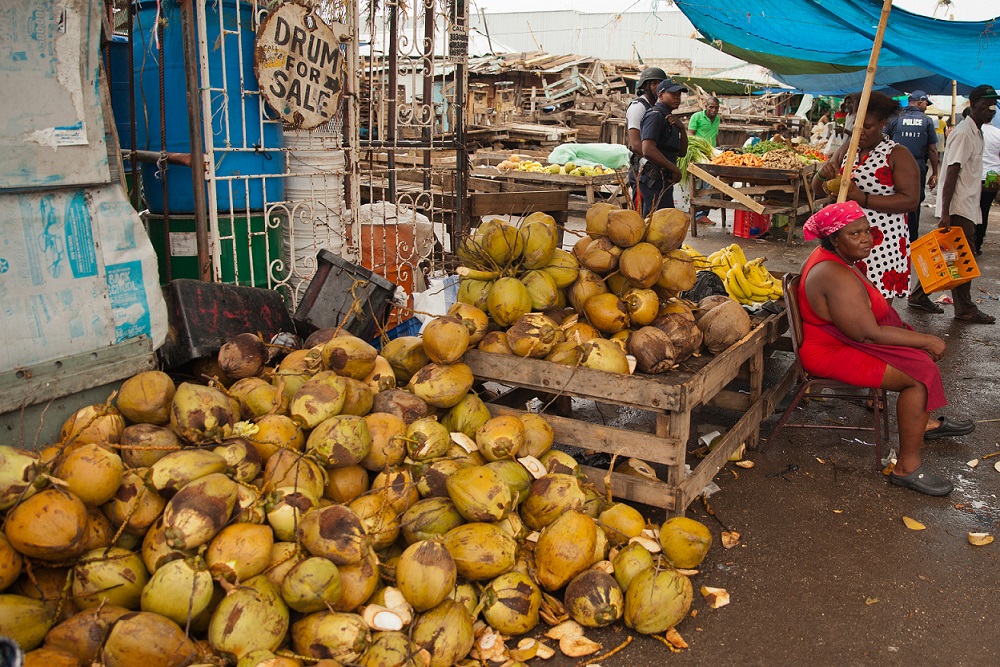
Data Is Everything When It Comes to Food Loss and Waste
The lack of data has been a major cause for inaction. Without knowing how much food is lost where, we can’t know which interventions would be effective.
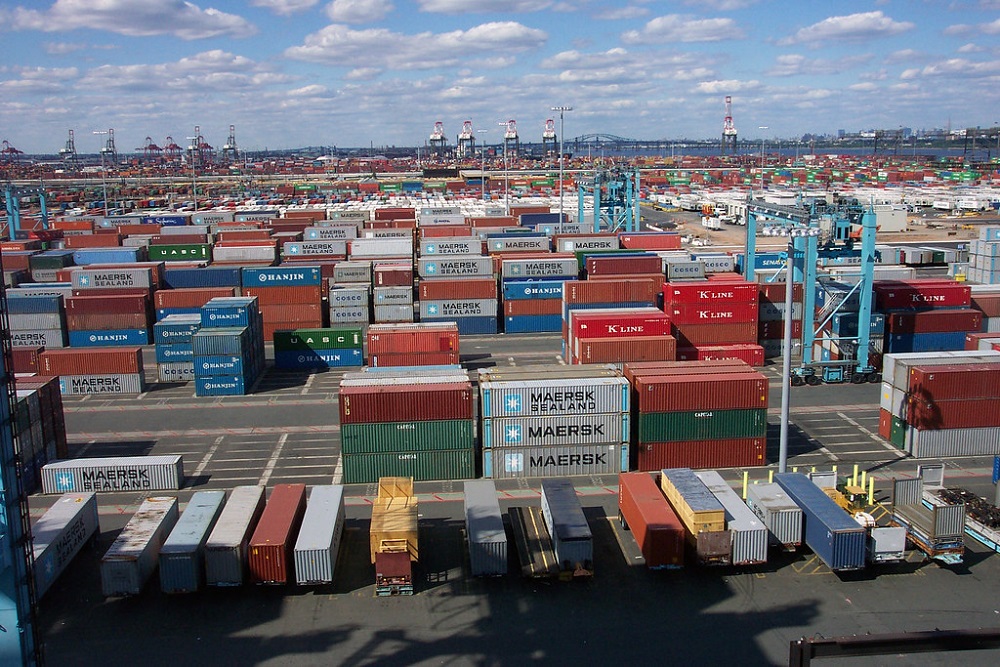
First End Hunger to Achieve the Sustainable Development Goals
If we want to envision a world free of hunger and malnutrition, we need sustainable trade with clear rules. Incentives for agricultural producers must change, too.

Linking the Dots: A “Food Systems” Approach to End Hunger and All Forms of Malnutrition
Unfortunately, countries keep subsidizing products of low nutritious content, favoring staple foods over fresh produce. This has a negative effect on nutrition and dietary diversity, often where they are most needed.
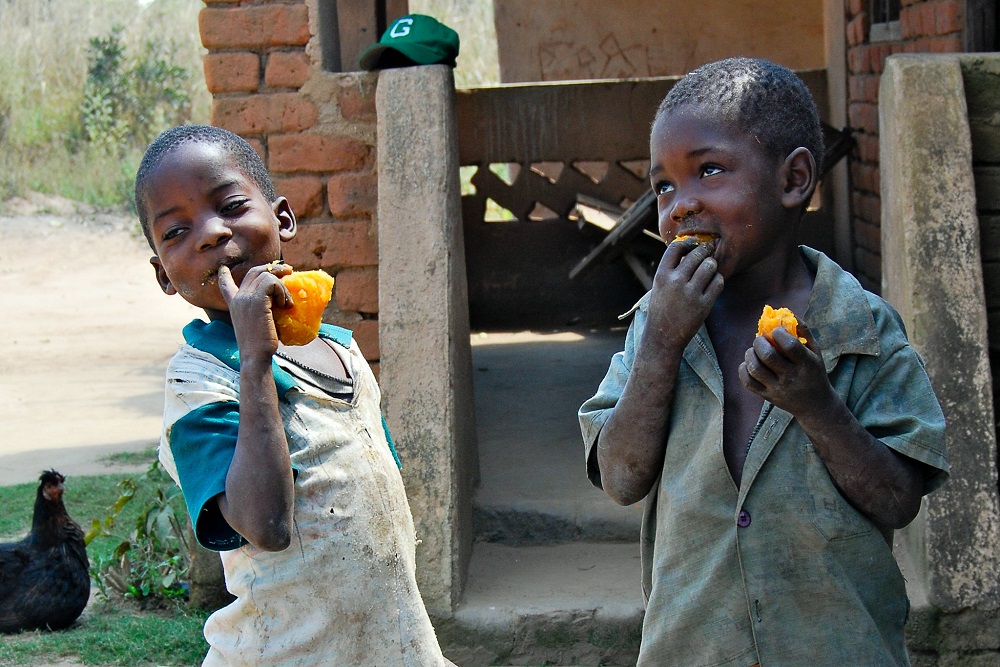
It Is Time to Improve Nutrition and Fast-Track Food Security for All
SOFI 2019 begins to track a new indicator, FIES, that goes beyond hunger and includes those affected by “moderate” food insecurity. Given the broader scope, this indicator will help make the report more useful for policymakers in reducing food insecurity and malnutrition.
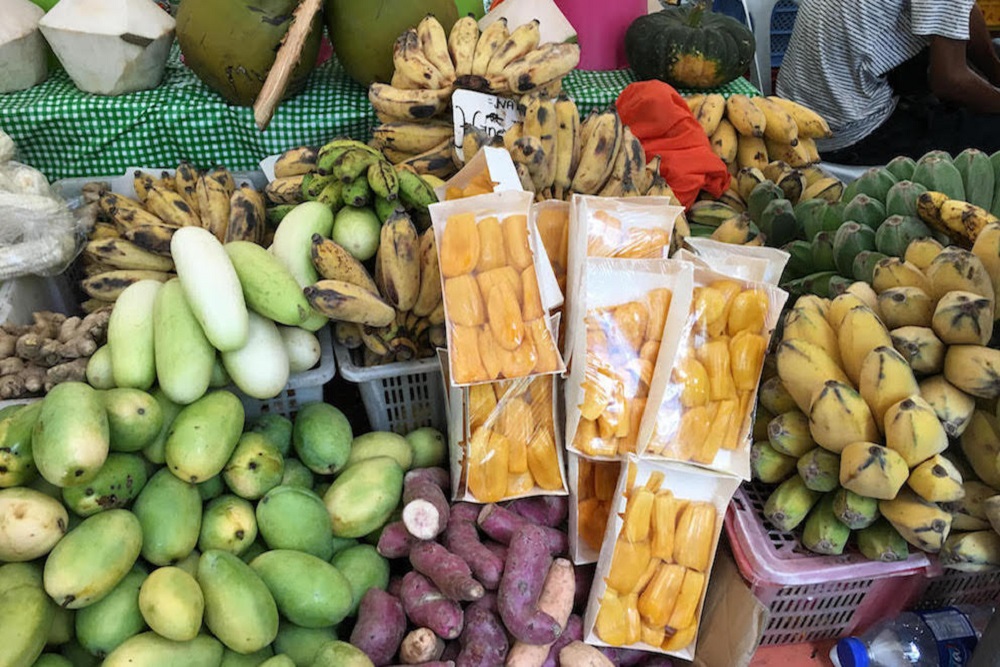
Policy Brief: Sustainable Prevention of Food Crises in Sub-Saharan Africa
Food crises and distress migration will continue to plague the African continent in the decades ahead, unless massive investments are made to make the region’s agriculture and food systems more resilient.
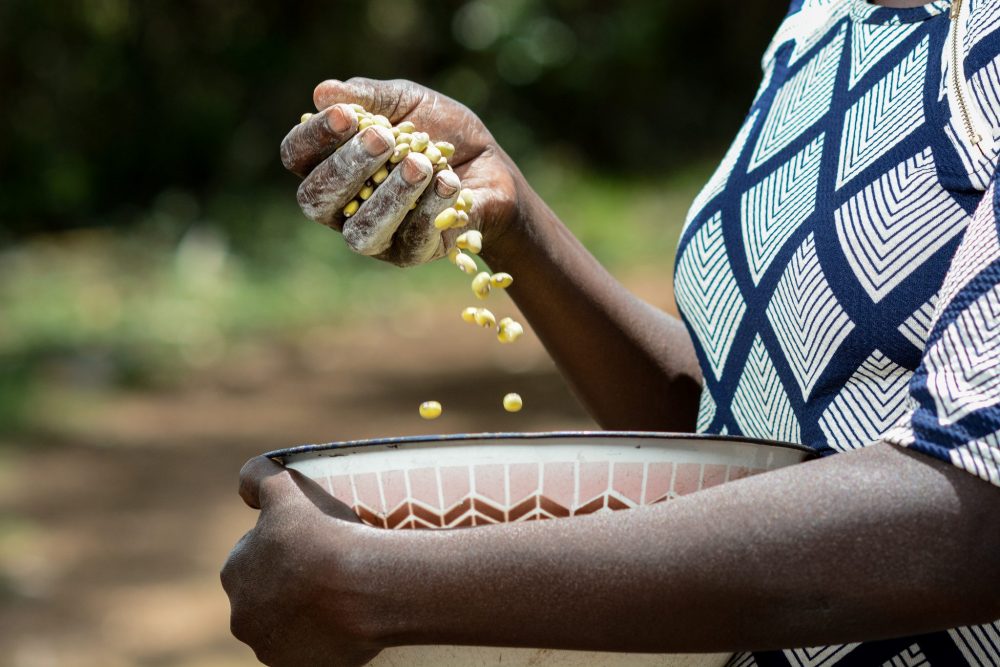
Policy Brief: Promoting Competition in the Fertilizer Industry in Africa
Not much has been said about the market structure or competitive behavior along the supply chain in the highly concentrated fertilizer industry, nor about how this affects fertilizer uptake in the region.
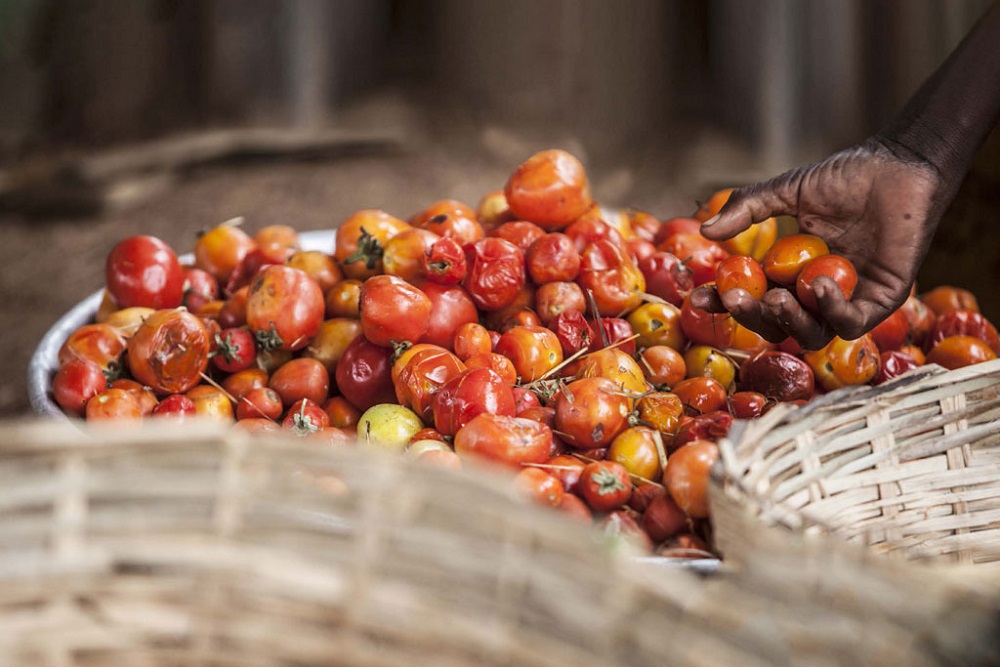
Initiative: Reducing Food Loss and Waste
Our lack of knowledge of the magnitude of food loss and waste is a major barrier to addressing the problem. Estimates of global figures vary from 27% (1 billion tonnes) to 32% (1.3 billion tonnes) of all food produced in the world.
 Maximo Torero