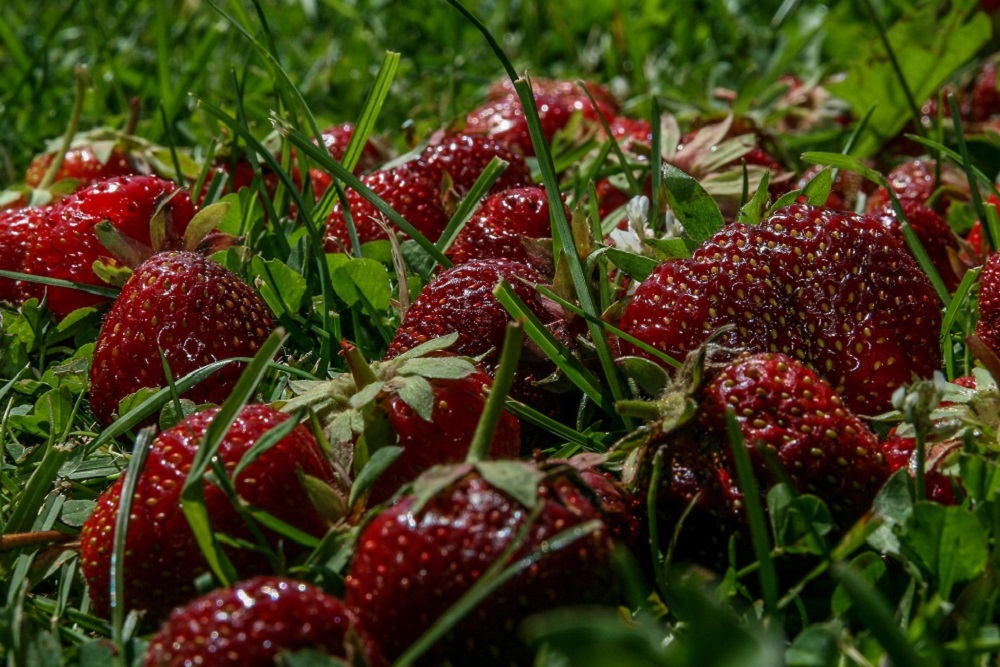
Unfortunately, countries keep subsidizing products of low nutritious content, favoring staple foods over fresh produce. This has a negative effect on nutrition and dietary diversity, often where they are most needed.
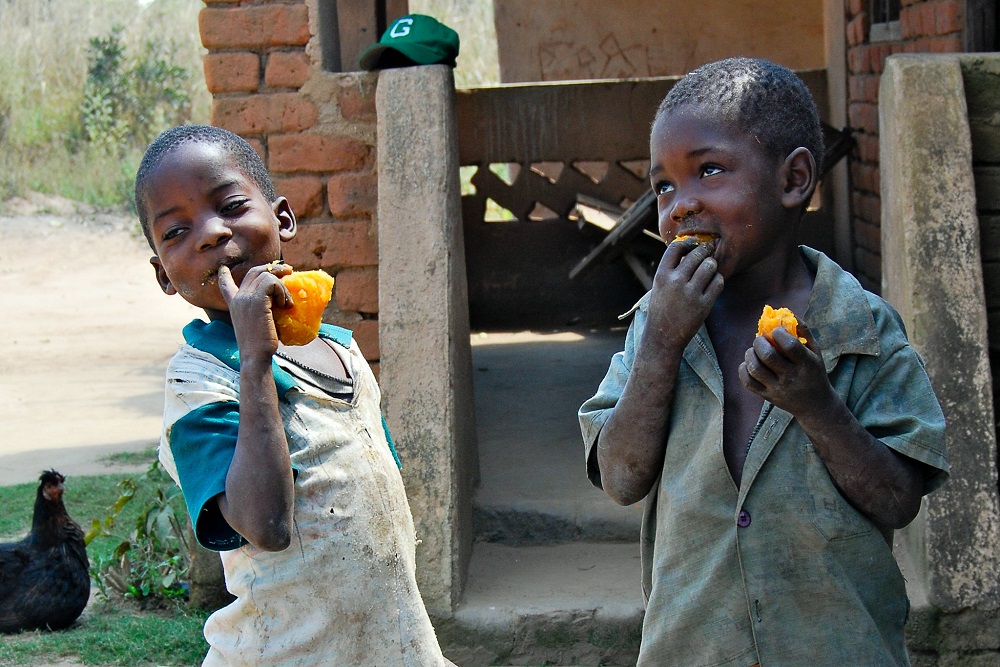
It Is Time to Improve Nutrition and Fast-Track Food Security for All
SOFI 2019 begins to track a new indicator, FIES, that goes beyond hunger and includes those affected by “moderate” food insecurity. Given the broader scope, this indicator will help make the report more useful for policymakers in reducing food insecurity and malnutrition.
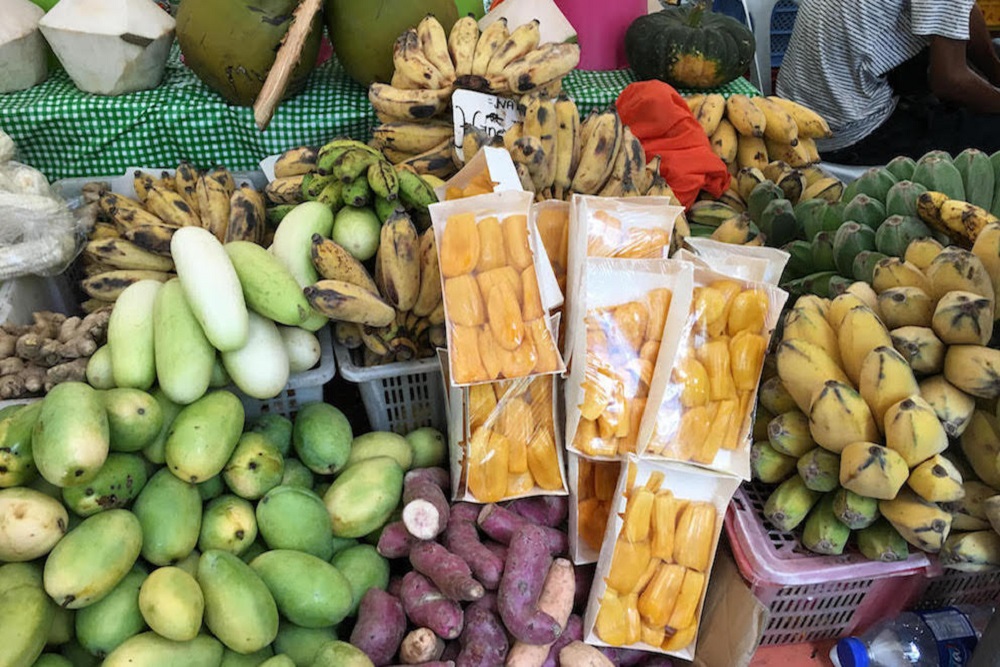
Policy Brief: Sustainable Prevention of Food Crises in Sub-Saharan Africa
Food crises and distress migration will continue to plague the African continent in the decades ahead, unless massive investments are made to make the region’s agriculture and food systems more resilient.
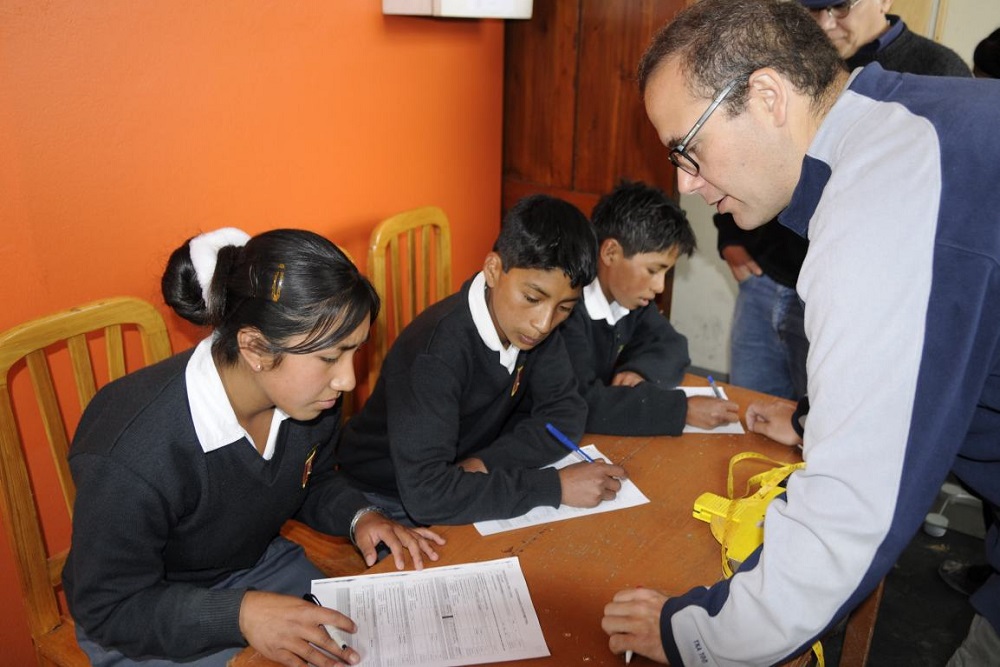
Kid Power: Spurring Positive Change Through Children
While the interest in using Information and Communication Technologies to provide farmers with agricultural advice has been growing, the low level of computer literacy among the farmers in developing countries has been a major barrier.
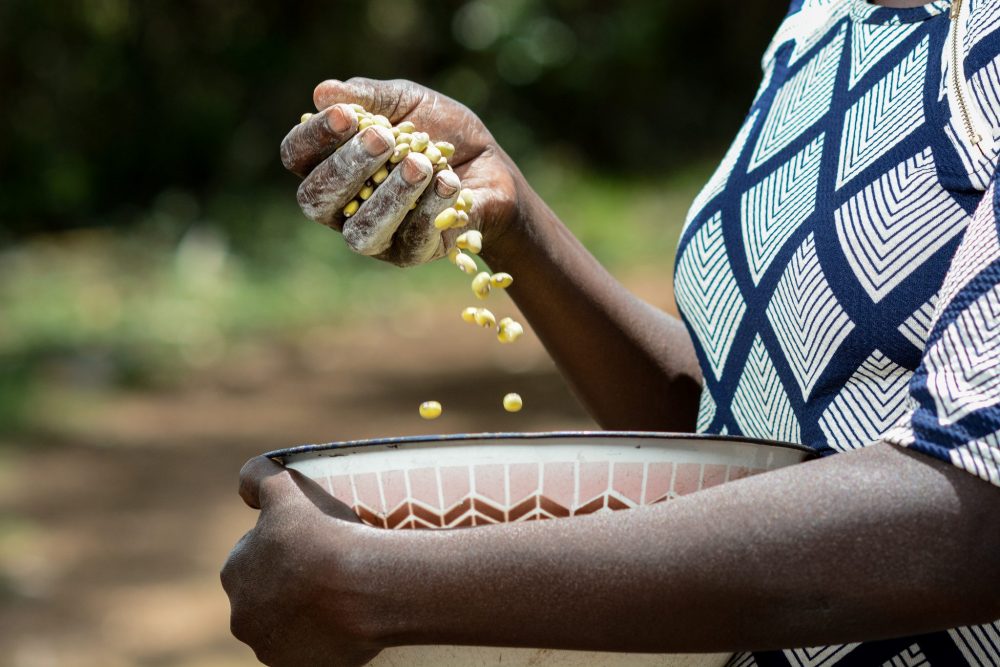
Policy Brief: Promoting Competition in the Fertilizer Industry in Africa
Not much has been said about the market structure or competitive behavior along the supply chain in the highly concentrated fertilizer industry, nor about how this affects fertilizer uptake in the region.
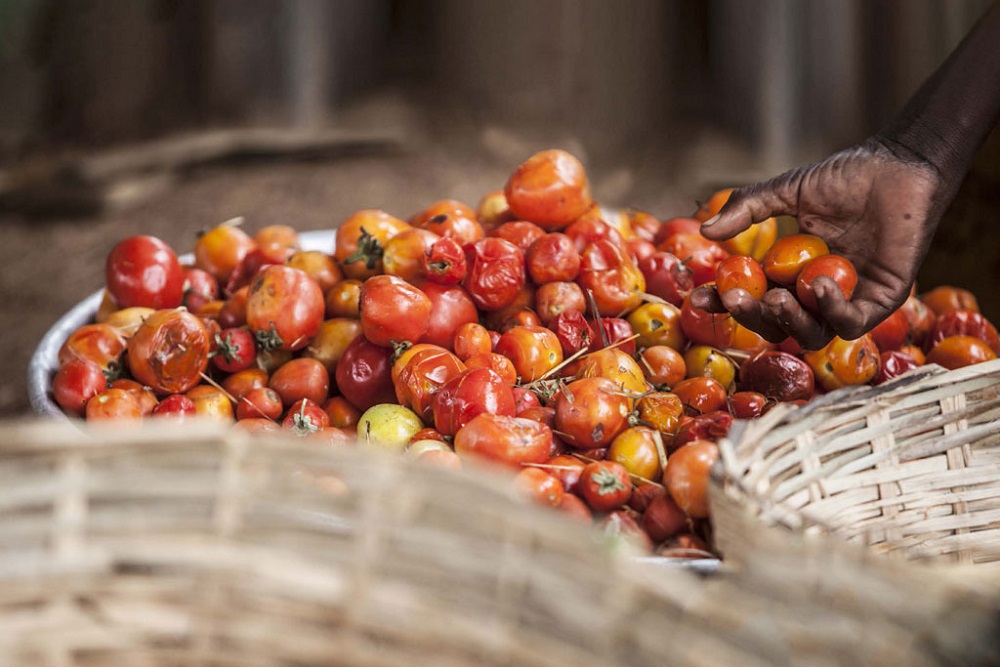
Initiative: Reducing Food Loss and Waste
Our lack of knowledge of the magnitude of food loss and waste is a major barrier to addressing the problem. Estimates of global figures vary from 27% (1 billion tonnes) to 32% (1.3 billion tonnes) of all food produced in the world.
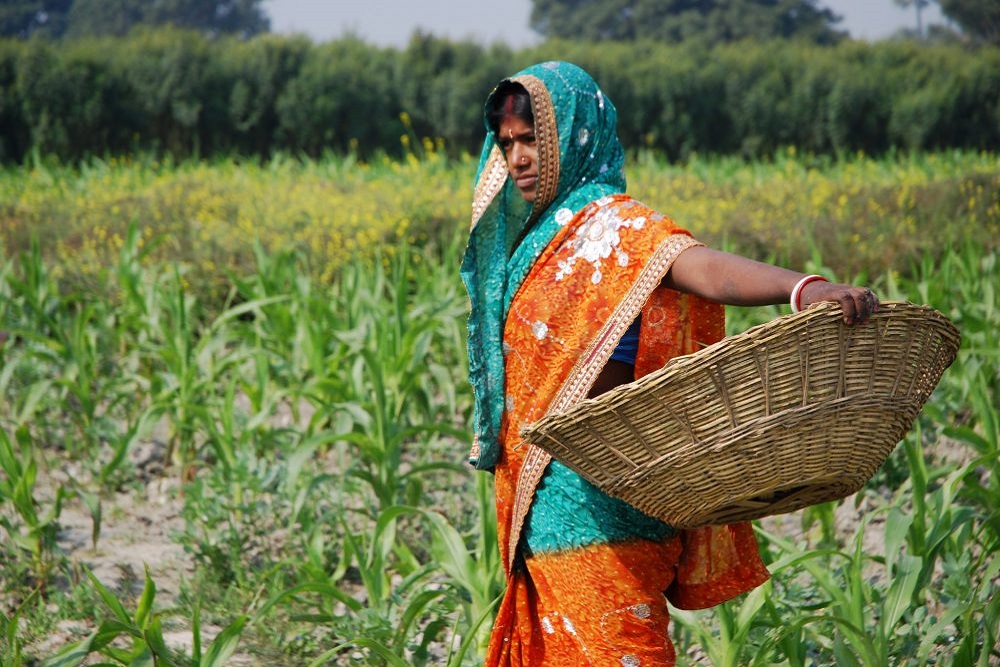
Middleman Margins and Market Structure in West Bengal Potato Supply Chains
In developing countries, small farmers often cannot access organized markets directly. Instead, they sell to middlemen who resell their output to distant buyers. These middlemen appear to earn large margins, and they appropriate most of the gains from rising consumer prices.
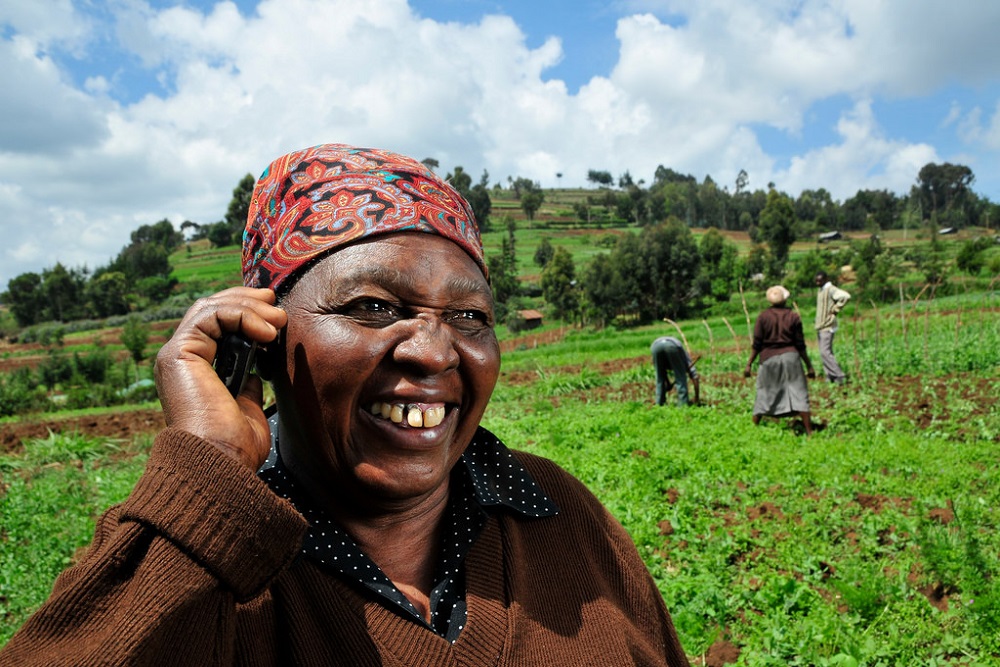
Can Mobile Phones Help to Improve Food Security?
Through increased access to mobile phones, farmers can better plan how much to plant each season and how much and what type of investments could be profitable based on demand and supply.
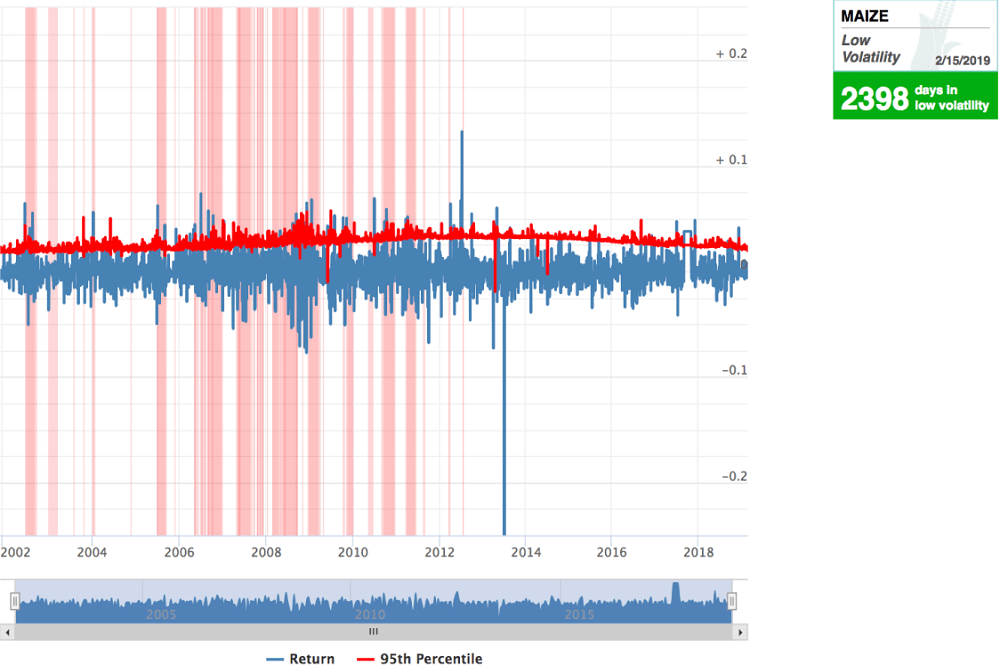
Tool: Measuring Price Variability of Staple Food Commodities
The three-part model provides a visual representation of historical periods of excessive global price volatility from 2000 to present, as well as a daily volatility status. It can alert policymakers when world markets are experiencing a period of excessive food price volatility.
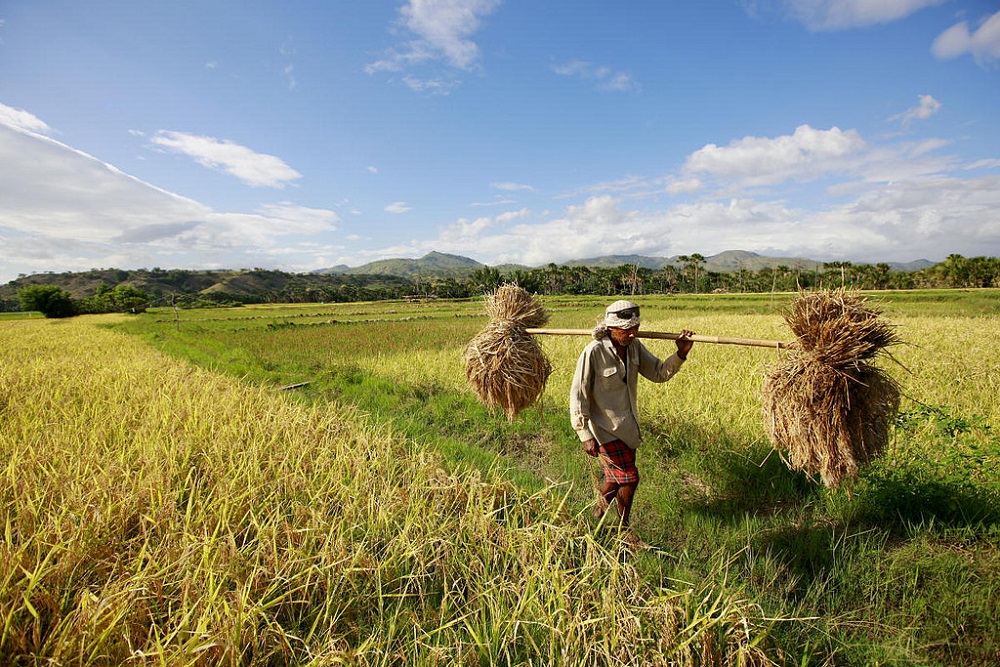
Policy Brief: El Niño and Cereal Production Shortfalls
The situation calls for careful monitoring of production and prices, promotion of transparent international and domestic trade policies, and expanded coverage of safety nets and nutrition programs for the households most severely affected.
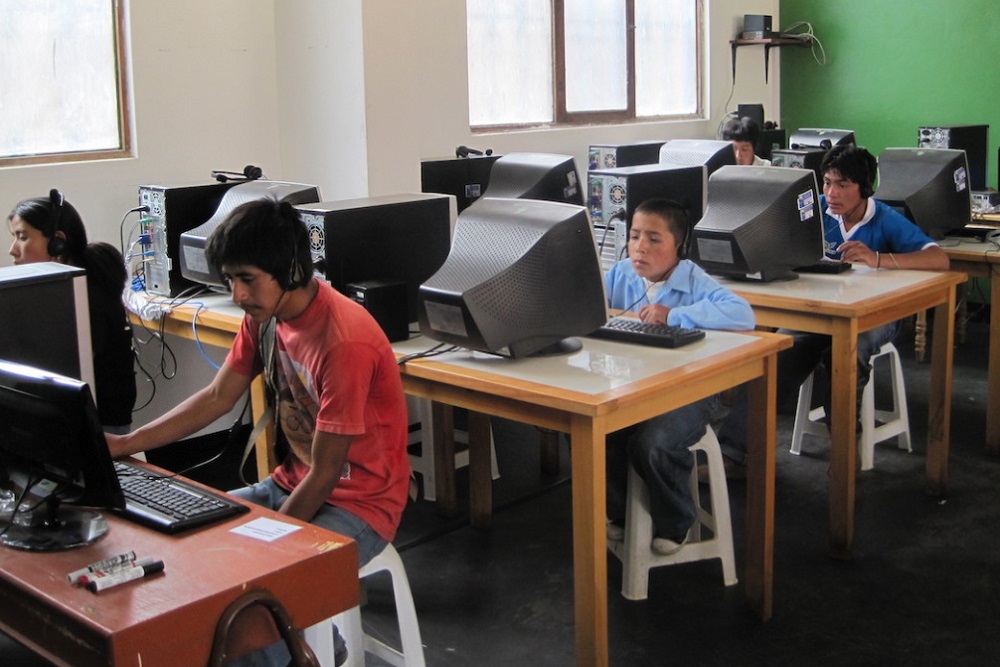
Video: Connecting Children to Technology Promotes Behavior Change at Home
In the Llacanora District of Cajamarca, Peru, a research team installed 20 networked computers with internet access in the local school serving 150 students at the secondary level – to promote behavior change at home by connecting children with technology and information.

Why Food Security Is an Opportunity for Latin America
The one-to-one relationship between economic growth and chronic malnutrition shows that growth by itself won’t resolve the problem of chronic malnutrition.
 Maximo Torero