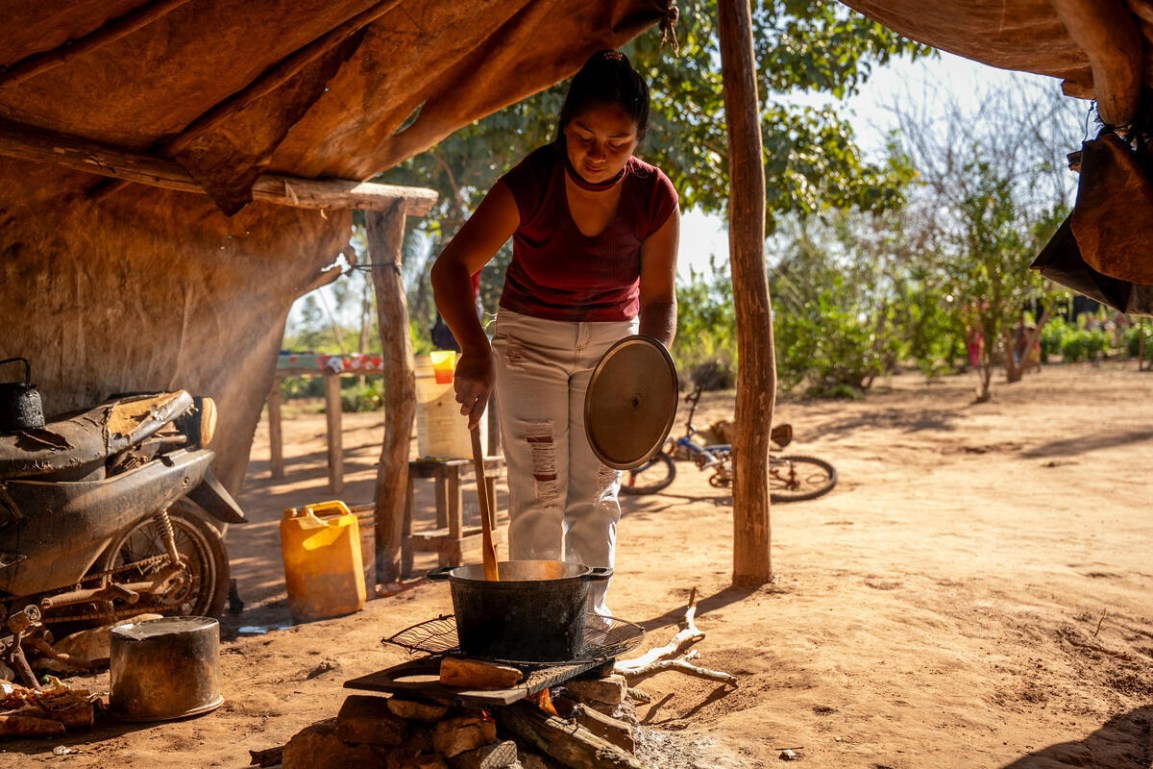
The Belém Declaration marks a turning point: Social protection is no longer just a stopgap for climate shocks. And it must be at the center of any strategy to reduce global hunger.
Category: climate change adaptation
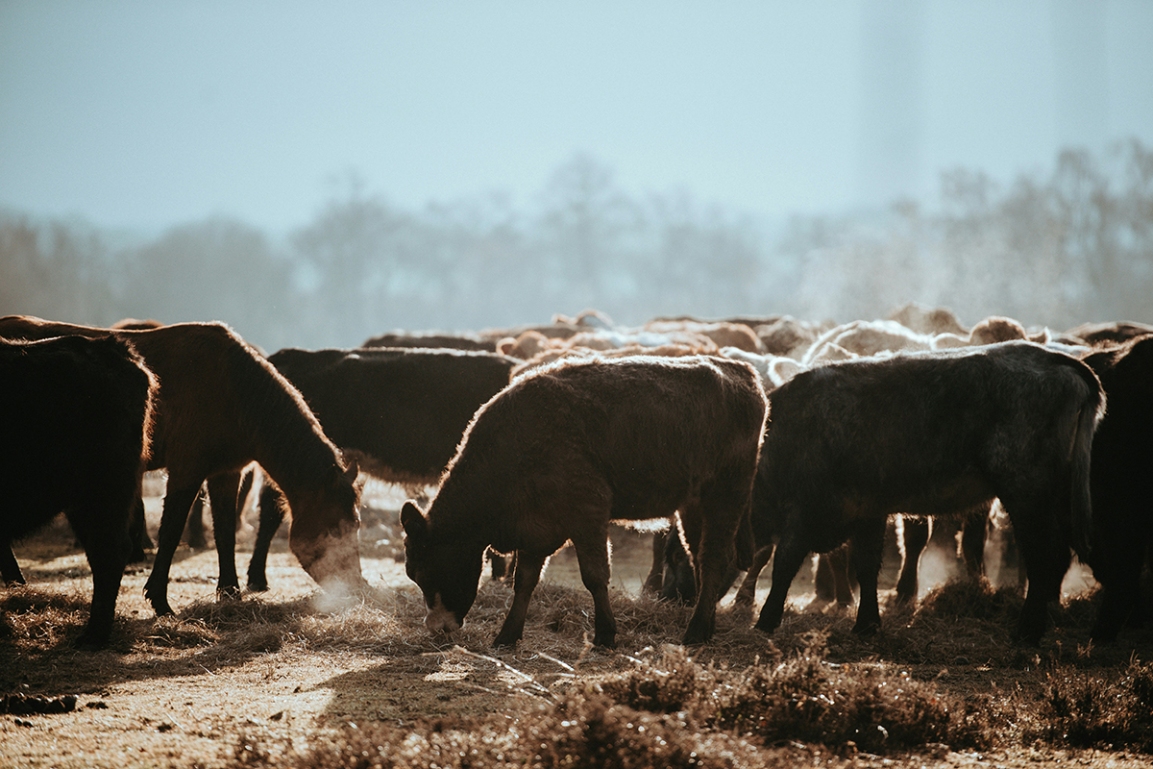
Solar Cars and “Solar Cows”: Two Promises Toward a Sustainable Tomorrow
As we explore the green frontier with solar cars and solar cows, a holistic approach considering the entire lifecycle of these technologies is fundamental.

New FAO Road Map: How to Eradicate Hunger Within the 1.5°C Limit (Español)
Our global roadmap is more than a guide; It is a call to action, a collective commitment to redefine and restructure the way we produce and consume food.
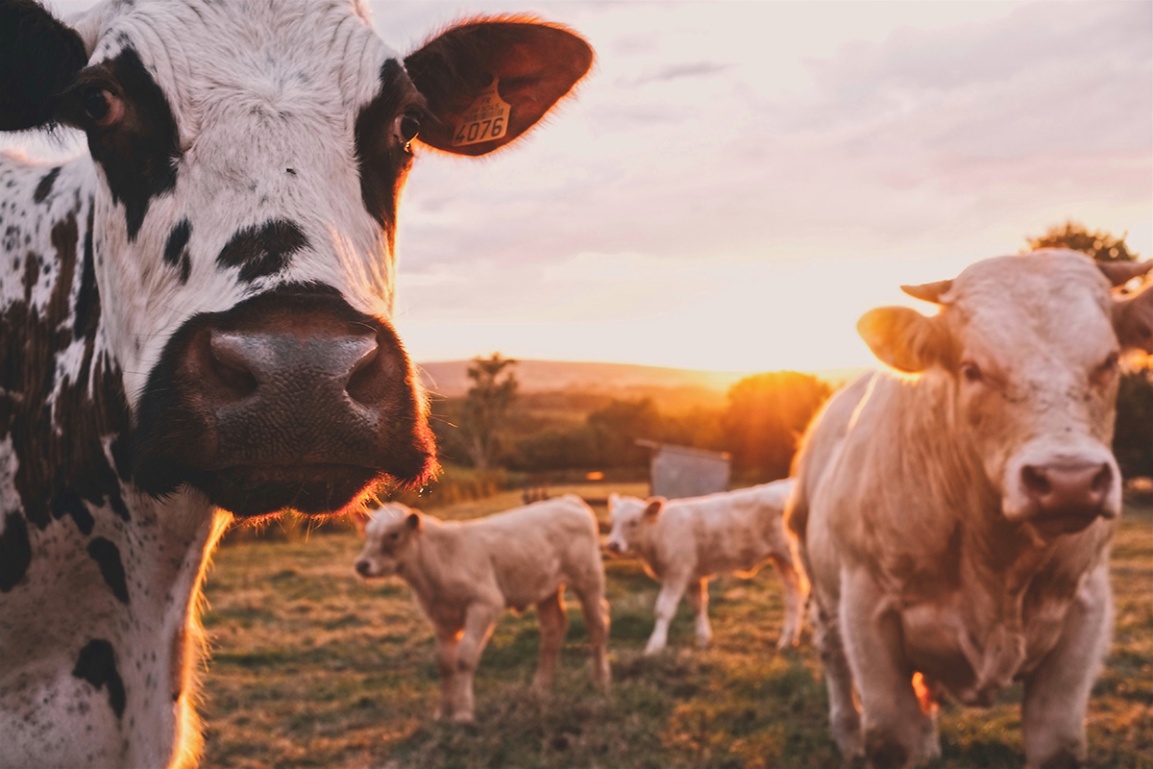
Ending Hunger Sustainably
Feeding the poor doesn’t have to come at the expense of saving the planet, and vice versa. But it requires looking at food systems holistically – a major departure from the current siloed approach. To avoid unintended consequences, it is essential to quantify any trade-offs with data.
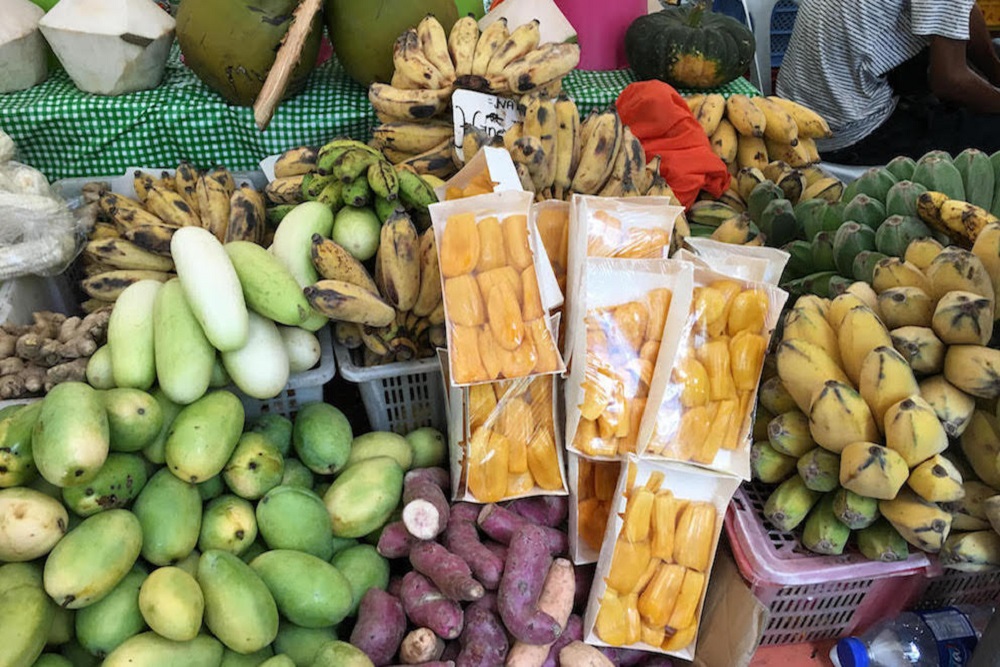
Policy Brief: Sustainable Prevention of Food Crises in Sub-Saharan Africa
Food crises and distress migration will continue to plague the African continent in the decades ahead, unless massive investments are made to make the region’s agriculture and food systems more resilient.
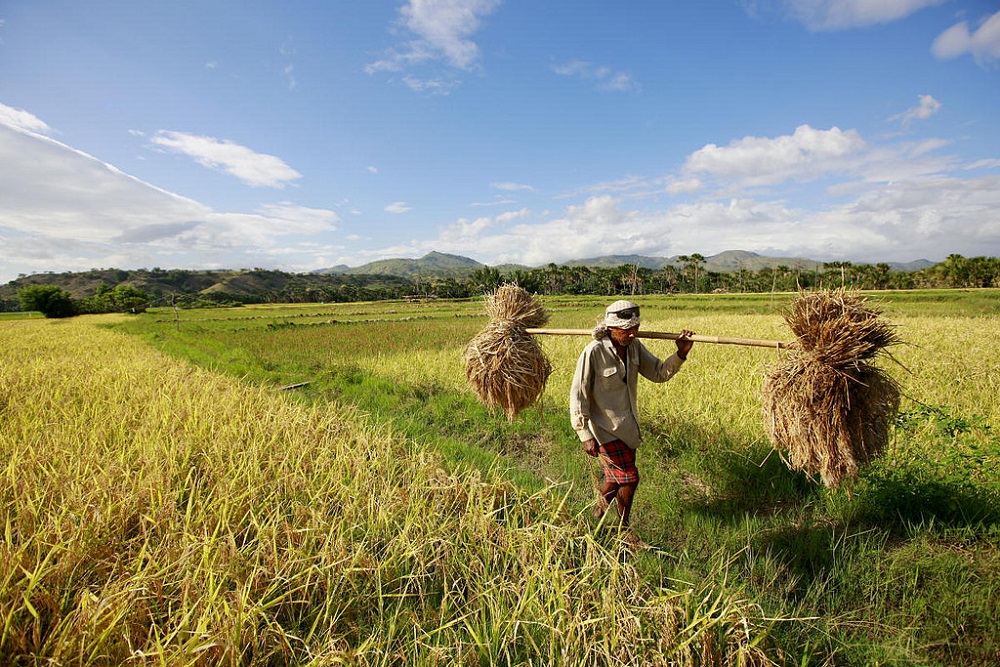
Policy Brief: El Niño and Cereal Production Shortfalls
The situation calls for careful monitoring of production and prices, promotion of transparent international and domestic trade policies, and expanded coverage of safety nets and nutrition programs for the households most severely affected.
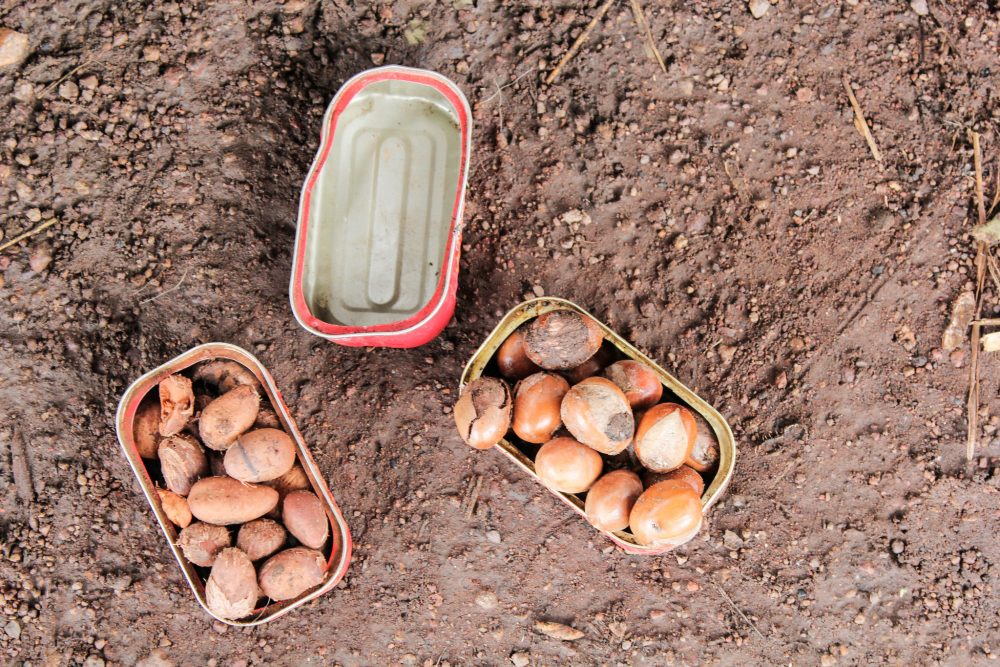
Policy Brief: Urgent Action Needed to Prevent Recurring Food Crisis
The economies of China and India are now overheated and experiencing high overall inflation caused by factors such as excess liquidity. Rising oil prices in recent months, the expansion of biofuel production, particularly maize ethanol, and other factors mentioned above suggest the significant risk of even higher global food prices.
 Maximo Torero