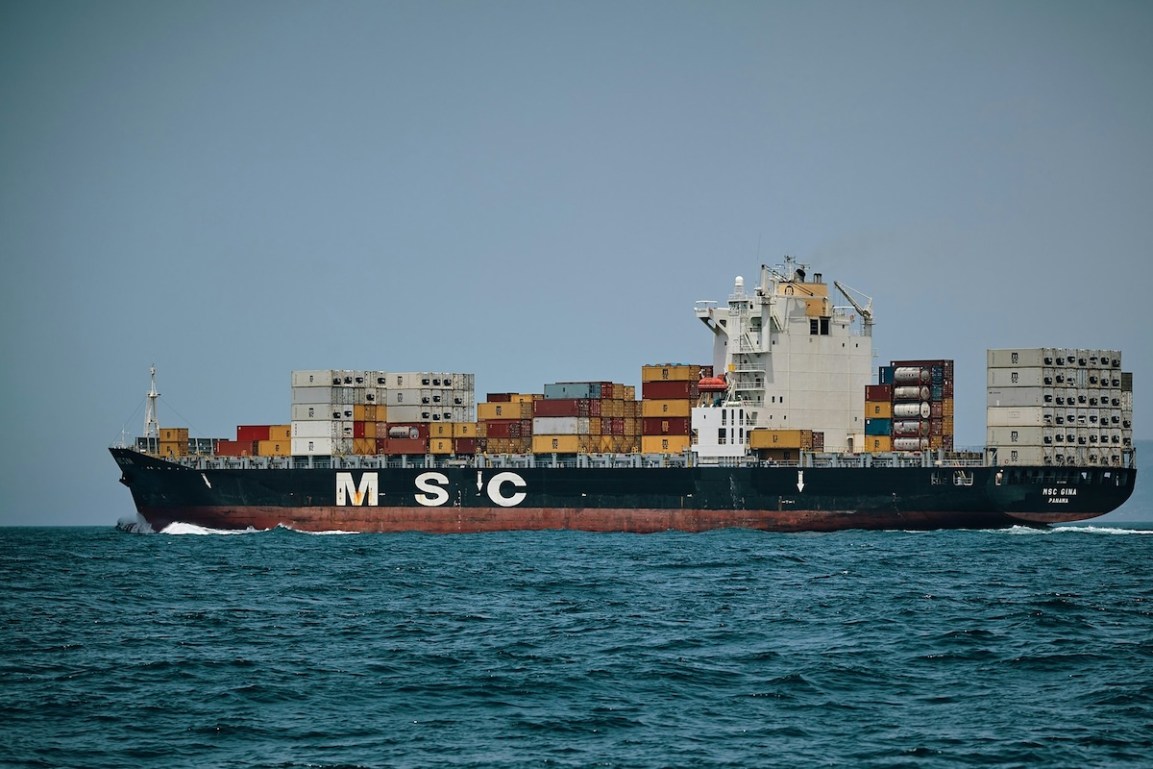
It’s not just the ballooning cost of filling up your car at the pump. The closure of the Strait of Hormuz could also make the cost of putting food on the table unsustainable. That is because 30 percent of the internationally traded fertilizers transit through this vital chokepoint.
So while the focus is on global energy markets — after all, within days of the blockade, tanker traffic dropped by more than 90 percent, leaving 8-10 million barrels per day of oil production shut in — the risks to global food security are equally as concerning. Consider that as oil and gas prices surged, prices of urea, a nitrogen fertilizer, also climbed nearly 20 percent in early March despite the largest oil stock release by the International Energy Agency.
The blockade has brought a dangerous trifecta for food security, as energy shocks, fertilizer shortages, and rising farm production costs converge. If the disruption continues, these linkages could significantly affect food security, as they lead to lower yields and higher food prices.
The shock begins in energy markets. Along with one quarter of global seaborne oil trade, one fifth of the world’s liquified natural gas pass through this strait. And the disruptions have immediately pushed energy prices higher.
Energy is of course a key input across agriculture, beginning with fertilizer production. As energy prices rise, the cost of producing and moving agricultural inputs rises.
So shocks in energy markets directly and quickly feed into fertilizer markets. The Gulf is also a major producer and exporter of nitrogen fertilizers, as they are produced largely from natural gas. When gas prices spike or supply is disrupted, fertilizer production becomes more expensive and global supply tightens, pushing prices up.
This then squeezes farmers, who face a double cost shock: more expensive fertilizers alongside rising fuel, transport, and irrigation costs. Many countries in Africa, Asia, and Latin America rely heavily on fertilizers from Gulf producers, leaving them highly vulnerable to disruptions. For example, Australia, Bangladesh, Brazil, India, Kenya, and Sudan source more than half of their supply from the region; Jordan depends on it for 90 percent of its supply.
In response, farmers reduce fertilizer use or delay application, especially in import-dependent regions. At this stage, the shock is not to food supply itself but to the cost of producing it.
Reduced input use shows up in the next production cycle, as lower fertilizer application leads to weaker yields, especially for staple crops, tightening global grain supply later in the year.
Unlike the war in Ukraine, which has disrupted supplies directly by affecting two of the world’s major cereal exporters — Ukraine and Russia — the impact of the Strait of Hormuz crisis is felt through energy and fertilizer markets.
But if the disruption persists, it can be just as destabilizing.
Higher energy prices tend to boost biofuel demand, increasing production of crops such as corn, soybean oil, and palm oil used for ethanol and biodiesel. A prolonged blockade of oil and gas could make biofuels significantly more profitable, diverting land and water away from food production — it’s a new opportunity for farmers but will tighten food supply, adding volatility to food markets.
Shipping insurance has also become a major constraint. In early March, insurers expanded high-risk zones and P&I clubs (the insurers that cover ships) withdrew war-risk cover. Premiums have jumped to as much as 10 percent of hull value, with policies resetting weekly. Insurers don’t respond to diplomacy; they respond to actual losses measured over quarters, not days. So even if fighting stops, normal shipping will not return until insurers see months of quiet waters.
Even before the blockade, things were dire. Across the globe, 673 million people didn’t have enough food to eat in 2024. About 2.6 billion were too poor to afford healthy diets. Now shocks on energy and fertilizer markets are quickly rippling through agrifood systems.
The maritime trade route is also the Gulf region’s food lifeline. Despite their energy wealth, Gulf nations import 85 percent of the food they consume due to water scarcity and climate constraints, which limit local agriculture. Though governments maintain strategic reserves that can sustain consumption for several months, it’s not a permanent solution.
Reopening the Strait of Hormuz through diplomatic efforts is the most effective way to stabilize markets and avoid global food crises.
Meanwhile, governments must work together to develop alternative trade routes, enhance market monitoring, support import-dependent countries, and finance farmers to sustain agricultural production. They must also resist biofuel demand surges.
Protecting food security is not about ramping up production. It requires investing in agrifood systems to strengthen infrastructure, raise productivity, and ensure resilient markets. In fact, agrifood systems should be treated just like energy or transport sectors and invested in accordingly, so that shocks can be both prevented and absorbed when they occur.
Some of this transition is already underway. Gulf countries like Saudi Arabia and UAE are investing in green ammonia, expanding domestic agriculture, and diversifying supply chains.
Detractors will argue that I’m overstating the risk. After all, food prices haven’t surged. Thanks to robust harvests and preventative measures to keep strategic reserves, global grain stocks remain high. A food crisis is not imminent. But current global stocks provide a buffer of only a few months. And as nations remain focused primarily on oil prices, they risk overlooking how disruptions in energy and fertilizer markets can transmit into food systems with a lag.
If the crisis continues, it could lead to a compounding risk across systems, triggering a new wave of global food inflation and production declines.
The conflict in the Middle East reminds us how tightly interconnected energy prices, fertilizer markets, and food commodities are — as well as how vulnerable the world’s population is to a narrow strip of water.
(Photo by Vidar Nordli-Mathisen on Unsplash)

