The conflict in the Middle East, beyond the direct human consequences, is no longer only an energy shock. It is a food security shock, unfolding at a moment when the global agrifood system is already under severe strain.
What makes this moment particularly dangerous is timing. El Niño will not create a crisis from scratch. It will amplify the one already underway.
A strong El Niño is likely to develop from mid-2026, peak toward the end of the year, and extend into early 2027, according to forecasts. On its own, this would already pose serious risks. Combined with a conflict that is disrupting one of the world’s most critical corridors for energy and fertilizers, it becomes a systemic risk multiplier.
As it develops, drought risks will intensify across major producers such as India, Australia, and southeast Asia, while flooding is likely in parts of Latin America and the United States. These El Niño-driven weather disruptions are not isolated events. They affect key production regions simultaneously, increasing the likelihood of synchronized supply disruptions during the 2026 to 2027 production cycle.
As an internationally recognized global authority on food security, the Food and Agriculture Organization understands what supply disruptions of this kind do. The result is upward pressure on food prices, particularly staples, at a time when input costs are already elevated. That pressure falls hardest on the world’s poorest households and on import-dependent economies already struggling to maintain social protection. Development gains made over decades are at risk of reversal.
The agricultural system is absorbing the Middle East crisis across its entire supply chain simultaneously through increased input costs, market volatility, and trade disruption. Higher fertilizer costs are reducing application rates and increasing risks ahead of key planting seasons. At the same time, when oil prices rise, biofuels made from crops such as corn, sugarcane, and vegetable oils become more competitive as fuel alternatives. That draws those same crops away from food supply and pushes their prices higher, transmitting energy market volatility directly into agricultural commodity markets.
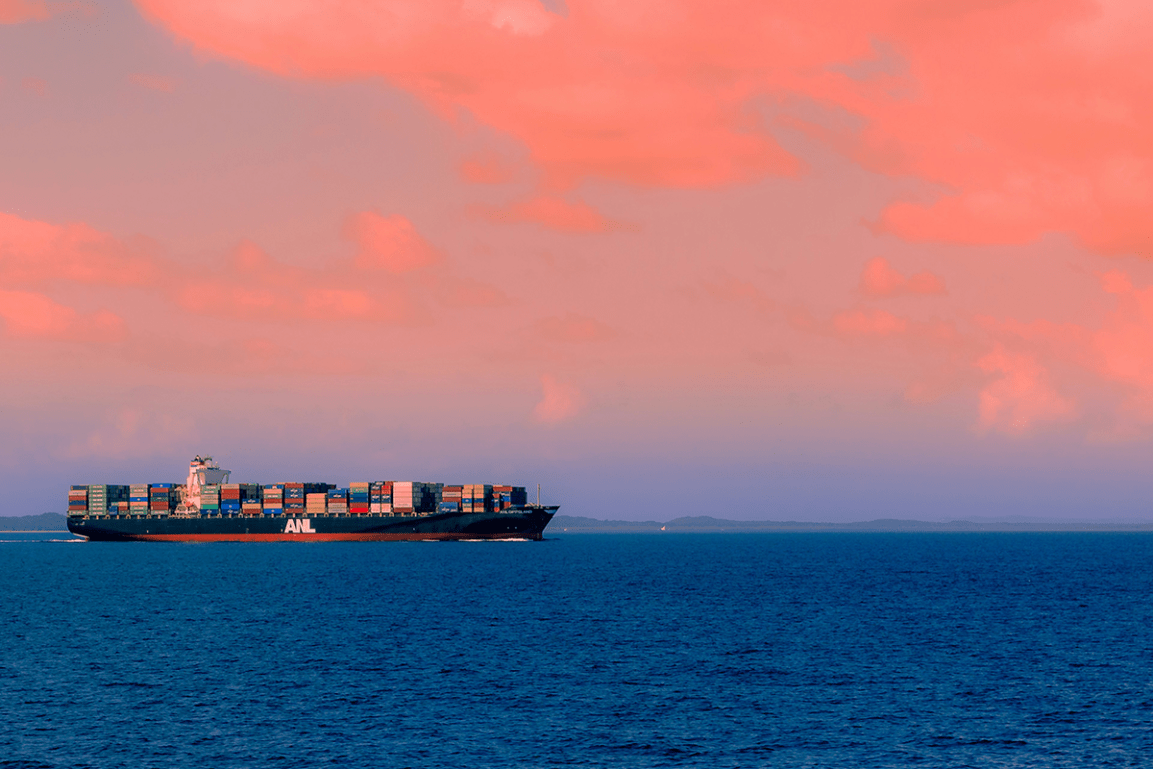
Trade flows are becoming more uncertain as countries respond defensively, as documented by the World Trade Organization’s Strait of Hormuz Trade Tracker and the Food and Agriculture Policy Decision Analysis tool maintained by FAO, and as extreme weather associated with the emerging El Niño pattern begins to disrupt logistics. This includes the risk of drought-driven disruptions to key shipping routes such as the Panama Canal, which experienced severe transit restrictions during the 2023 to 2024 El Niño event.
Repeated crises in recent years have eroded resilience. Governments have spent heavily to stabilize food systems. The pandemic, the conflict in Ukraine, and successive climate extremes have each left the global agrifood system weaker than before. Farmers have absorbed rising costs and declining margins. Humanitarian agencies have stretched resources to meet growing needs. None of these buffers has been rebuilt.
The current crisis is drawing down what remains.
Fertilizer prices remain well above pre-conflict levels, forcing difficult choices for farmers, particularly smallholders. Energy costs are rising across the entire value chain, from irrigation to transport. Delays in inputs and higher logistics costs will reduce planting and productivity. These effects are not yet fully visible in markets, but they are shaping the next harvest.
At the same time, policy responses are becoming harder to sustain. Many countries are deploying subsidies, price controls, and emergency measures to contain the impact. These interventions are being financed under increasing fiscal pressure, as import bills rise and revenues weaken. When these measures are withdrawn, the underlying vulnerabilities will remain.
This is where El Niño changes the equation. By late 2026, when climate impacts intensify, the system will be even more constrained. Higher input costs, reduced planting, and tighter trade flows will converge with climate-driven production shocks. What might have been a difficult adjustment risks becoming a broader food crisis.
The consequences are already emerging. Rising logistics costs are reducing the volume of humanitarian assistance that can be delivered. Higher shipping and fuel prices translate directly into fewer people reached. Import-dependent countries are particularly exposed.
This trajectory is not inevitable. But it requires urgent action.
First, the conflict must end. Not only because of its direct human and economic costs, but because it is amplifying a fragile system at the worst possible moment. Each additional month of disruption reduces the capacity to absorb the coming climate shock.
Second, trade in food, fertilizers, and energy must remain open and predictable. Restrictions do not resolve shortages. They shift them onto the most vulnerable and increase volatility.
Third, international support must be scaled up now. Instruments that allow countries to secure essential food and inputs are critical to prevent deeper disruptions in the next production cycle.
This is no longer a sequence of separate crises. It is the convergence of conflict and climate risk. Peace alone will not resolve the food challenge. But without peace, the challenge will become significantly more severe.
The war may end. The hunger it has set in motion, amplified by El Niño, may not.
This article first appeared on Devex on May 7, 2026.
(Photo by Anastasios Antoniadis on Unsplash)

