Now in its third month, the Middle East conflict shows how tightly interconnected energy, fertiliser, and food markets are. As a regional geopolitical crisis becomes a systemic shock to global agrifood systems, Europe is once again reaching for blanket subsidies, as if this were another Covid.
But this crisis is fundamentally different. Covid crushed demand as the global economy shut down; Hormuz is a supply-side shock, disrupting supplies of energy and fertilizers. Applying the same fiscal medicine risks repeating past mistakes while leaving the underlying problem untreated.
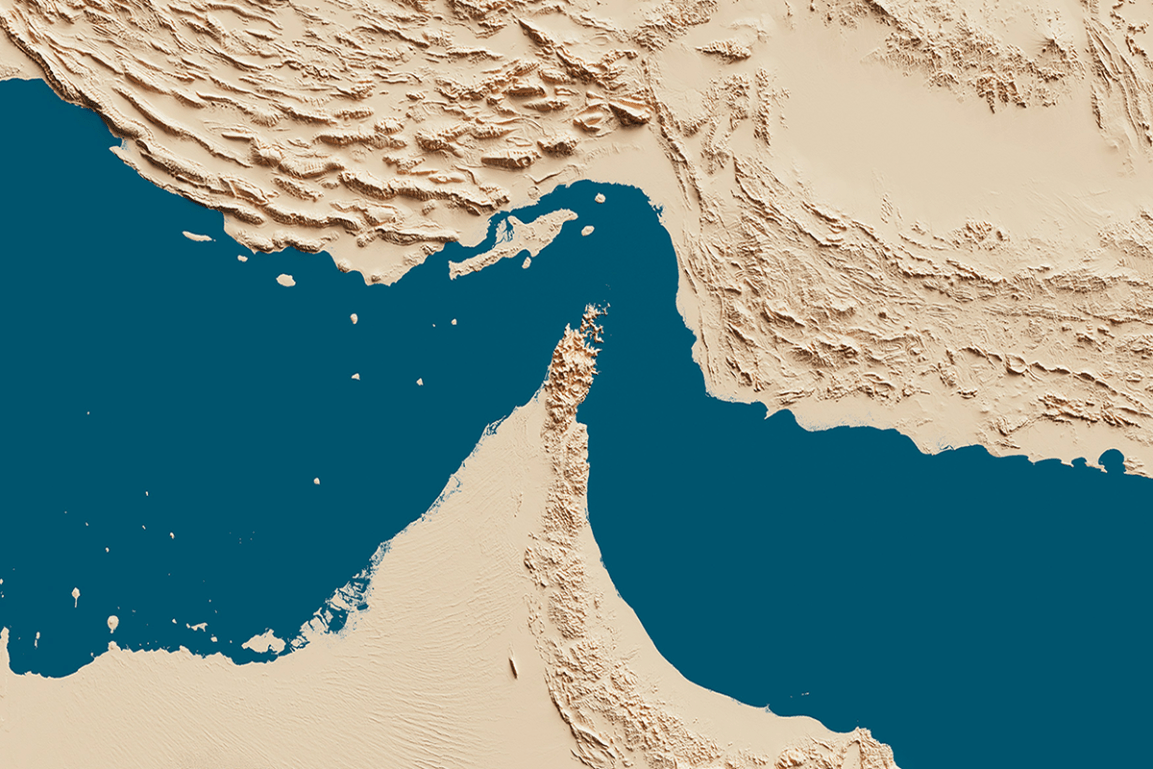
The Strait of Hormuz is, of course, one of the most critical chokepoints. Before the conflict, roughly 35% of global crude oil exports, 20% of LNG exports, and up to 30% of fertiliser exports transited through this narrow strip of water. Gulf countries are also major exporters of sulfur – essential for phosphate fertiliser production.
The blockade has severely disrupted the global fertiliser value chain just as planting seasons arrive across both hemispheres. Farmers are facing 20-60% price increases for urea – a key fertiliser – if supplies are available at all, alongside rising fuel, transport, and irrigation costs.
Unlike the 2022 Ukraine war, which directly disrupted grain supplies, the current crisis is disrupting input supplies. Higher oil and gas prices are increasing transport and production costs, while fertiliser shortages are raising farm input costs and reducing their use.
The effects unfold in stages. It begins with energy price spikes and logistics disruptions, followed by fertiliser shortages, then lower yields, and finally higher food prices months later. The greatest risk is not immediate shortages but cascading shocks across energy and fertiliser markets that reduce future food production and lock in food inflation.
Grain markets remain stable for now because global stocks are still adequate, but that buffer is temporary. Even after the conflict ends, disruptions may persist as supply chains take months to normalise.
Europe has responded with €13.6 billion in fuel subsidies and related support measures. The EU is allowing member countries to cover up to 70% of higher fuel, fertilizer, and electricity costs for key industries, including agriculture and transport. But simply subsidizing the shock and waiting for it to pass cannot be the answer to a crisis whose full impact may only become visible later this year and into 2027.
The IMF has warned against broad and untargeted fiscal responses. Such measures distort markets and disproportionately benefit wealthier households, which consume more energy. For every €100 spent on fuel or electricity subsidies, the richest 20% of households could receive roughly three times more support than the poorest 20%.
When supply is constrained, excessive fiscal expansion can fuel inflation, ultimately hurting poor households most and undermining food security.
The effects are also uneven across Europe. Wealthier governments can spend more, giving firms in countries like Germany and France far greater protection while shifting the burden of adjustment onto poorer countries through higher global commodity prices. Subsidies don’t secure supplies or reduce demand. When fuel and energy are made artificially cheap, firms and households have fewer incentives to adapt to scarcity.
A better fiscal response would focus on temporary and targeted income support for vulnerable households rather than broad energy subsidies. Support for farmers should reflect their exposure to fertilizer and fuel costs, while preserving incentives for efficiency and continued production. Governments should also stabilize markets and maintain supply flows through alternative trade routes.
Long-term priorities should focus on building resilience, including strategic fertiliser reserves, renewable energy expansion, and more sustainable fertiliser production systems that reduce dependence on fossil fuels.
Energy, fertilizer, food, and climate policies are too often treated separately. The current crisis shows they are part of the same system. Critics argue that targeted support is slower to deploy, while fuel tax cuts provide immediate relief. But Europe already learned this lesson in 2022, when some 70% of support spending went to poorly targeted or market-distorting measures. Repeating that approach would be economically costly and strategically shortsighted.
Reopening the Strait of Hormuz through diplomacy remains the best way to avert a global food crisis. Until then, fiscal policy should support adjustment and resilience, not just subsidize the present.
This article first appeared on Euractiv on May 20, 2026.
(Photo by Planet Volumes on Unsplash)

