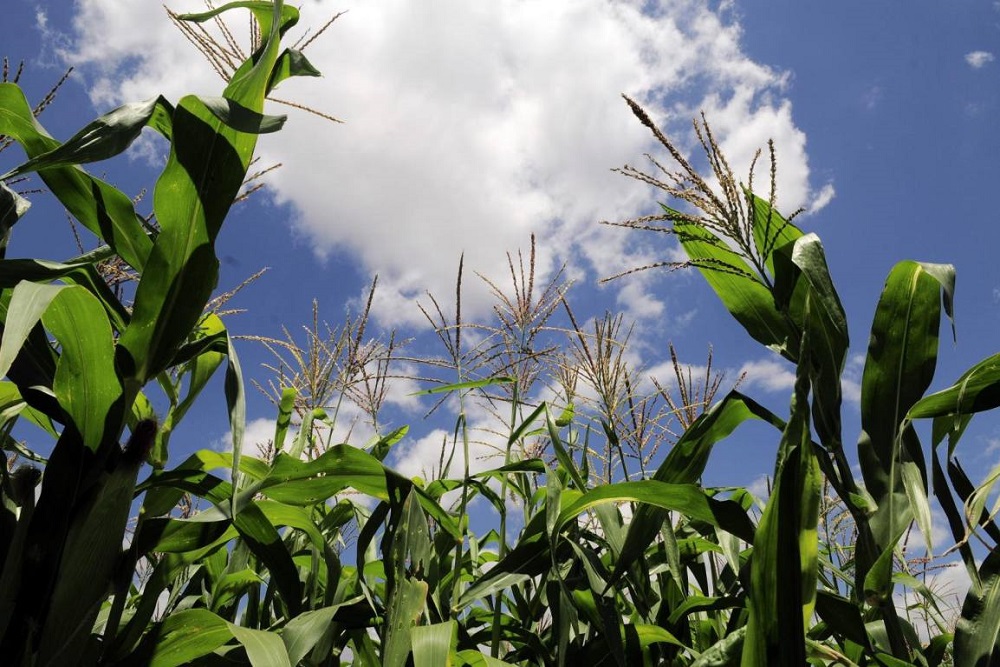
Todo esto requiere, una vez más, pensar de manera diferente. Una estrategia de desarrollo rural no debe ser considerada como un tema de un solo sector, sino, al contrario, como una combinación de acciones coordinadas en diversos sectores y bien focalizada de acuerdo con las potencialidades de cada subregión.
Author: Maximo Torero
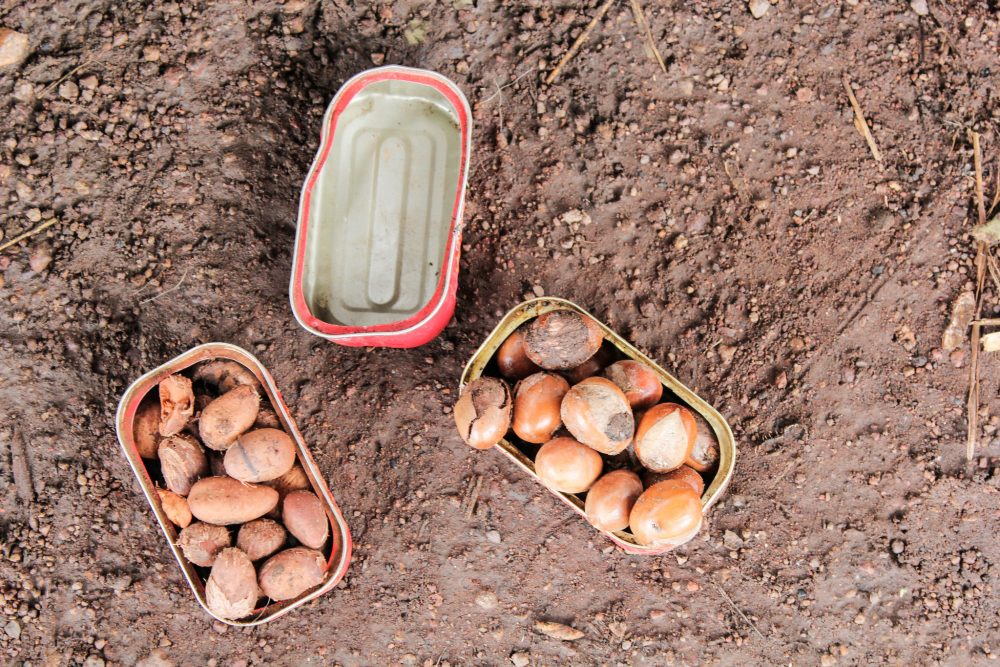
Policy Brief: Urgent Action Needed to Prevent Recurring Food Crisis
The economies of China and India are now overheated and experiencing high overall inflation caused by factors such as excess liquidity. Rising oil prices in recent months, the expansion of biofuel production, particularly maize ethanol, and other factors mentioned above suggest the significant risk of even higher global food prices.
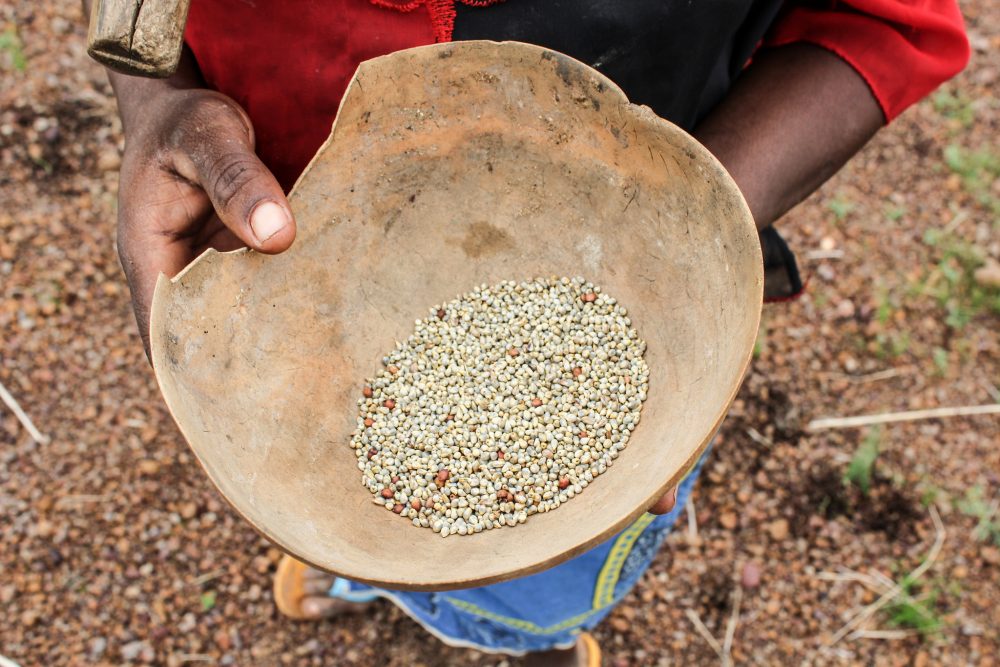
Grappling with Grain Prices
We propose three global collective actions to meet these goals: the creation of a small emergency physical food reserve; an international co-ordinated global food reserve; and a virtual reserve. These actions bring together developed and developing countries for a sustainable policy response to a global crisis.
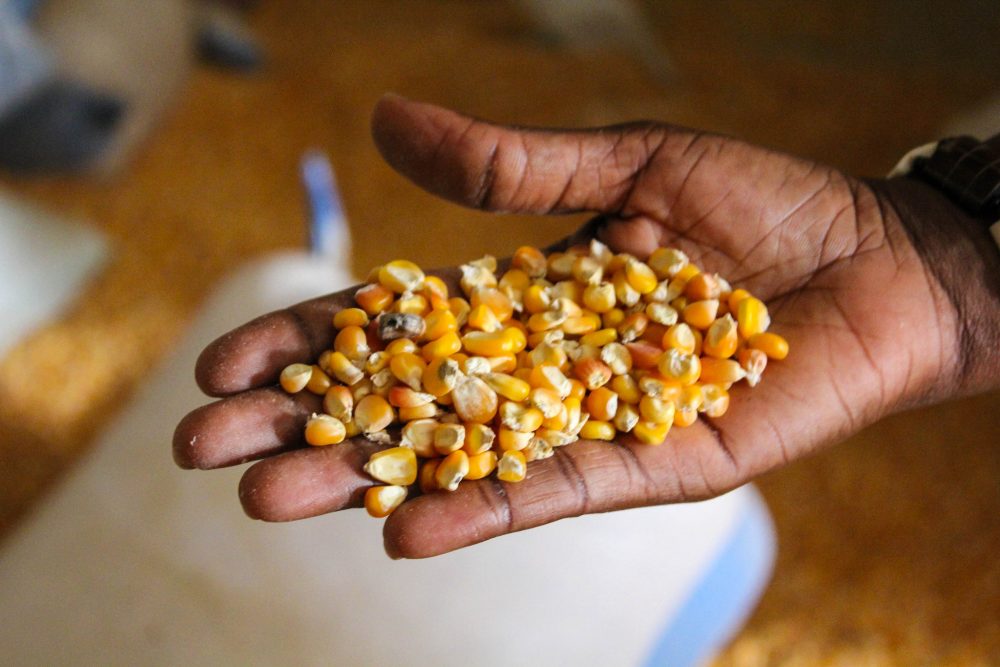
Policy Brief: Physical and Virtual Global Food Reserves to Protect the Poor and Prevent Market Failure
The current food crisis has several causes—rising demand for food and feed, biofuels, high oil prices, climate change, stagnant agricultural productivity growth—but there is increasing evidence that the crisis is being made worse by the malfunctioning of world grain markets. Given the thinness of major markets for cereals, the restrictions on grain exports imposed by … Continue reading Policy Brief: Physical and Virtual Global Food Reserves to Protect the Poor and Prevent Market Failure
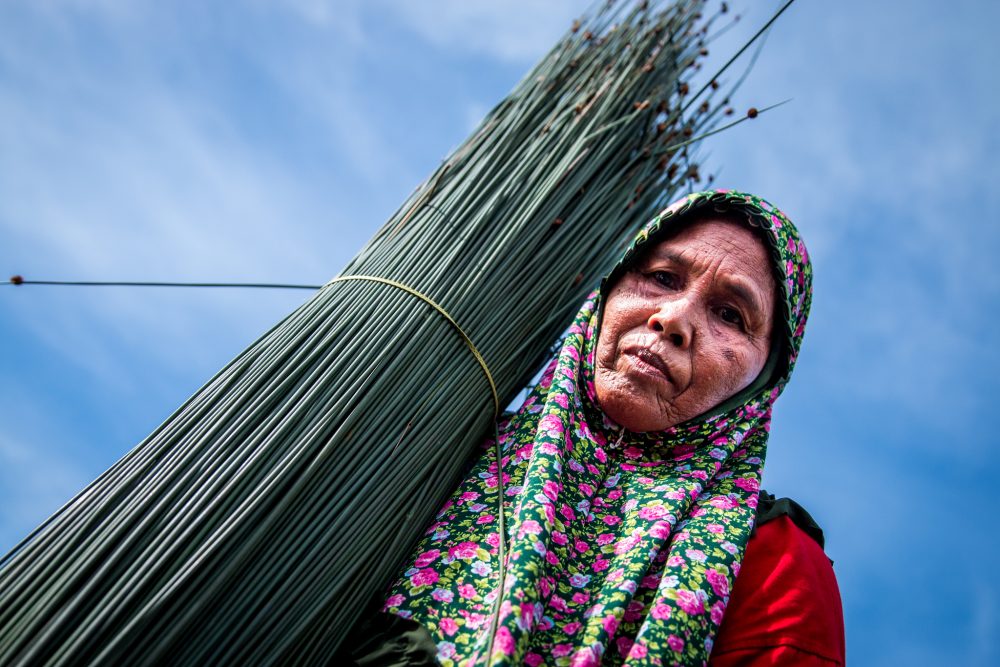
Policy Brief: High Food Prices and the What, Who and How of Proposed Policy Actions
The complex causes of the current food and agriculture crisis require a comprehensive response. In view of the urgency of assisting people and countries in need, policy actions—an emergency package—consist of steps that can yield immediate impact.

Policy Brief: Information and Communication Technologies for the Poor
Access to information through ICTs is a question not only of connectivity but also of capability to use the new tools and relevant content provided in accessible and useful forms. Connectivity has been a priority and a prerequisite. Given the speed at which technologies are evolving and can move, costs could fall significantly, facilitating adoption.
 Maximo Torero