While global military spending skyrocketed to $2.44 trillion in 2023 — $1.2 trillion among G7 countries alone — a critical yet underappreciated pillar of global stability keeps quietly crumbling: agrifood systems.
These systems govern natural resources, sustain livelihoods, and form the foundation of global economies and trade. The continued neglect of agrifood systems in regions vulnerable to instability accelerates economic collapse and fuels conflict.
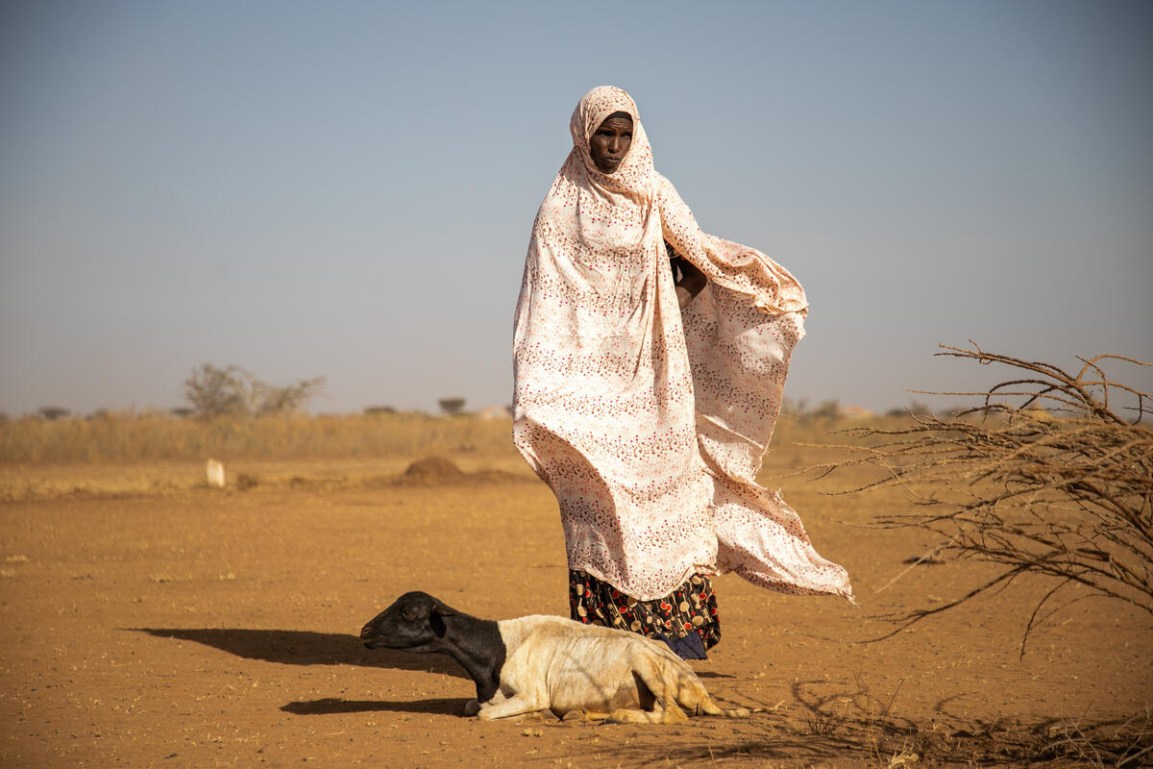
Prolonged conflicts in Africa highlight this reality. In countries such as Sudan, Mali, Niger, Nigeria, and Chad, the degradation of agrifood systems — exacerbated by climate change and policy failures — has intensified tensions between farmers and pastoralists competing for dwindling resources. As rivers run dry and once-fertile pastures and fields wither away, desperation drives people to extremes, sparking brutal clashes and widespread displacement.
Yet the world continues to respond to crises with force rather than foresight. In turn, the military spending bill keeps growing. In the Democratic Republic of Congo and South Sudan, military spending has risen sharply — by 105% and 78% respectively — while millions remain stuck in conflict and on the brink of starvation. Failing to fund long-term development traps vulnerable regions in a vicious cycle of conflict, eroding the foundations for sustainable progress.
The backbone of economic security
The economic and social significance of agrifood systems is immense, especially for the world’s poorest and youngest populations. Globally, these systems employ over 1.23 billion people — nearly one-third of the global workforce — and provide livelihoods for 3.83 billion people living in households that depend on them. In Africa, almost half of all workers rely on this sector for survival. In regions such as the Sahel, where over 65% of the population is under 25, the risk of widespread unemployment, instability, and conflict is poised to keep expanding without the right economic opportunities.
Furthermore, neglecting agrifood systems entails substantial hidden costs. General inefficiency, the impact of climate change, and poor governance in the sector lead to staggering losses — including lost productivity, environmental degradation, increased health care burdens, and entrenched poverty. These combined factors generate economic losses estimated at $12.7 trillion annually — nearly 10% of global gross domestic product.
The burden is even greater when considering hunger — the most direct consequence of agrifood system inefficiency and collapse. With the added pressures of climate change, escalating conflicts, and global economic challenges, the cost of eradicating hunger has surged, now projected to reach $540 billion by 2030, a stark increase from $330 billion just four years ago.
Strengthening agrifood systems: The path forward
Given agrifood systems are deeply intertwined with hunger and other drivers of conflict, strengthening them is not just necessary but essential for promoting long-term peace and resilience. The question is, how do we strategically invest in these systems to unlock their full potential, and in turn systemically address hunger and malnutrition?
Upfront, a comprehensive strategy combining innovative practices, investment, and collaboration is critical.
1. Innovation: Enhancing productivity through agricultural research and development, mechanization, and extension services can significantly improve incomes and food security. Targeted training, particularly for women and youth, can support communities in adopting climate-resilient practices and optimize resources.
2. Investment: Complementing these efforts, investments in infrastructure, including irrigation, roads, and energy, help unlock the potential of rural areas, reducing bottlenecks and improving market access. Precision agriculture and mechanization further ensure efficiency, enabling smallholders to overcome labor and land constraints and boosting resilience and productivity.
3. Collaboration: To maximize the impact of investments in agrifood systems, it’s crucial to streamline and coordinate funding mechanisms. Currently, much of the funding is dispersed across various channels, leading to inefficiencies and losses that often go unaccounted for. A more integrated approach that acknowledges the complex network of stakeholders — from local to international levels — can help direct investments more effectively. This requires enhanced collaboration and transparency among multilateral banks, development finance institutions, and local governments.
Importantly, these entities should increase their involvement in de-risking activities, which can attract more investment by mitigating financial risks and encouraging stakeholders to commit to larger, more impactful projects. This strategic alignment and risk reduction are essential for creating a more efficient and accountable financing architecture for food security and nutrition.
Social protection and inclusive financial mechanisms complete the equation. Programs that combine cash transfers with livelihood support not only alleviate immediate needs but also build long-term resilience and economic participation. Innovative financing models can also transform investment in small-scale producers and SMEs.
The examples are many: Blended finance combines public and private funds to reduce investment risks; blockchain technology has the potential to provide a secure, transparent transaction platform; carbon credit markets can offer farmers income for eco-friendly practices; and insurance-linked financing mitigates financial risks from uncertainties like natural disasters.
Agrifood systems stand as a transformative lever for prosperity, capable of fostering equality and driving economic growth by addressing the intricate connections between resource management, market access, and social inclusion. Shifting from endless military spending to sustainable investments in stability is not just necessary — it is urgent. By prioritizing this strategy, and uniting efforts across governments, businesses, and communities, we can create a foundation for lasting peace and stability.
This article originally appeared in Devex on January 28, 2025.
(Photo by FAO/Michael Tewelde)
 Maximo Torero