Energy and food systems are deeply intertwined. Around 30% of global energy is consumed in agri-food systems, and this energy expenditure is responsible for a third of the sector’s total emissions. In turn, agri-food systems produce one-third of the total anthropogenic greenhouse gas emissions.
Both systems must be transformed to meet current and future demands for food and energy in a fair, environmentally sustainable and inclusive manner. A coordinated approach to energy transition and the transformation of agri-food systems is crucial to achieving the Sustainable Development Goals of the 2030 Agenda and the Paris Agreement on climate change.
Solar vehicles, with their promise to use solar energy to move us and thus reduce greenhouse gas emissions, have already become a symbol of sustainability hopes for consumers and environmental advocates. However, the sustainability of these solar vehicles is intrinsically linked to the energy source they use and the lifecycle of their components, especially batteries, whose production and disposal pose notable environmental, social and economic challenges. Collaboration between industry stakeholders and policymakers is essential to establish a robust recycling infrastructure to ensure that the environmental benefits of solar cars extend beyond the roads.
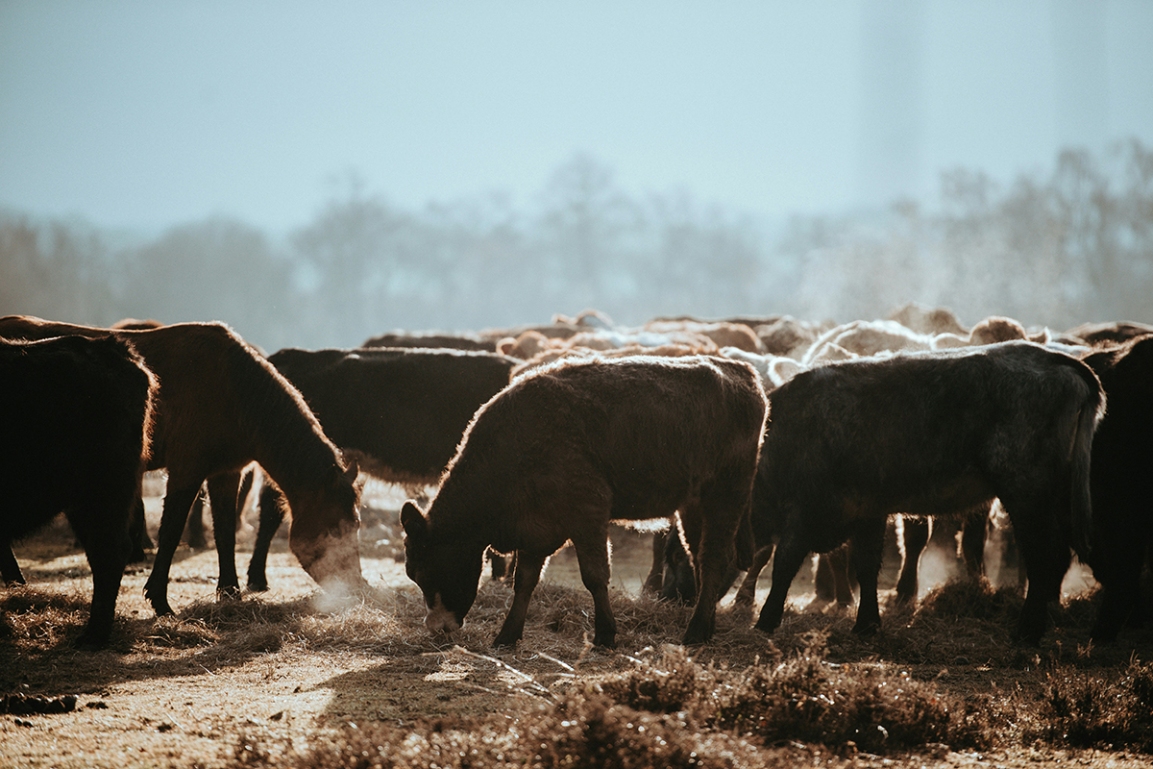
Similarly, at the other end of the green spectrum, a new and promising concept “solar cows” has emerged to reduce methane emissions from livestock production. It is a multifaceted and innovative approach, involving improved feeding practices, exploration of high-quality forages, along with the adoption of technologies such as anaerobic digesters for methane capture and utilization of solar panels.
However, to achieve the desired balance it is necessary to align the entire production chain with sustainable practices starting from feed cultivation all the way to waste management, with a strong focus on increasing the protein productivity of the animals themselves. Essential components for success include grazing management, selective breeding for low methane traits, better manure management, precision feeding technologies, and farmer education, all of which highlight the fundamental role of holistic government policies.
It is urgent to embark on this transformation, especially because today, billions of people could gain health by consuming more animal-source foods. Furthermore, in this context, not only technology and innovation offer solutions to these pressing challenges, but international trade also plays a crucial role in combating food insecurity and supporting better nutrition, climate adaptation and resilience.
These strategies offer significant promises, but careful management that takes into account a wide range of local factors and conditions is essential. Solar cars and solar cows hold great potential, but they are not a panacea and require comprehensive and sustainable practices throughout their lifecycles. The key lies in integrating these technologies into broader ecosystems where production, consumption and waste management are interconnected and guided by environmental stewardship.
To conclude, the road to sustainability is paved with good intentions, but success lies in the details. As we explore the green frontier with solar cars and solar cows, a holistic approach considering the entire lifecycle of these technologies is fundamental. Addressing challenges — from the sustainability of the energy source to battery recycling and responsible agricultural practices — ensures that these innovations propel us toward a truly sustainable future. This race isn’t just about speed; it’s about endurance and responsibility, the clear principles of the FAO’s new Global Roadmap, with the aim of achieving zero hunger without exceeding the 1.5°C threshold.
The original article in Spanish first appeared on El Universal on March 3, 2024.
(Photo by Annie Spratt on Unsplash)
 Maximo Torero